

Restaurants don’t need another trend list. They need real relief and real insights. Heading into 2026, operators are juggling three hard truths:
- Ingredient and labor costs are elevated and unpredictable
- Guest traffic fluctuates from week to week
- There’s a limit to how much guests will accept on their bill
At the same time, restaurants are under pressure to simplify operations, keep guests coming back, and make every menu, staffing, and workflow decision with margins in mind. This report distills what we’re seeing with single-location independents and fast-growing groups into a short list of where those pressures show up next. The goal: give the industry a shared playbook that turns today’s challenges into tomorrow’s opportunity. It’s written first for operators, but built so the wider restaurant community can reflect, add their own point of view, and contribute to a more profitable restaurant industry.
2026 Independent Restaurant Profit Outlook
Download the full PDF version the report
In this report, you’ll find:
- Six core predictions for 2026
- Practical plays to protect and grow profit
- Clear “bottom lines” on what it all means for operators
After years of being sold “transformation,” too many restaurants are stuck with bloated stacks, disconnected tools, surprise fees, and features that look great in a demo but fall apart on a Friday night.
SpotOn takes a different approach. We stay close to how restaurants actually run. Our restaurant management system is designed to drive revenue with practical AI and the right integrations to show operators what’s happening, help them act quickly, and protect every dollar, without turning operators into an IT manager. And we back it up with dedicated onboarding, training, and ongoing live support.
We distill what we’re seeing across thousands of concepts, compare it with your numbers, and adjust as your business and guests change. The roadmap starts with operator input, not buzzwords—less bloat, less noise, more control and a clearer path to profitable growth.
That means:
- First-party first: you own your data, your guests, and your profit.
- Useful AI only: built into everyday workflows, not another dashboard.
- Operator-first: if it doesn’t help you run better shifts, it’s noise.
Think of these predictions as a cheat sheet—for operators deciding what to try next, and for the wider industry aligning around the forces that will shape restaurants in 2026.
1. Value returns to the menu — and still makes money
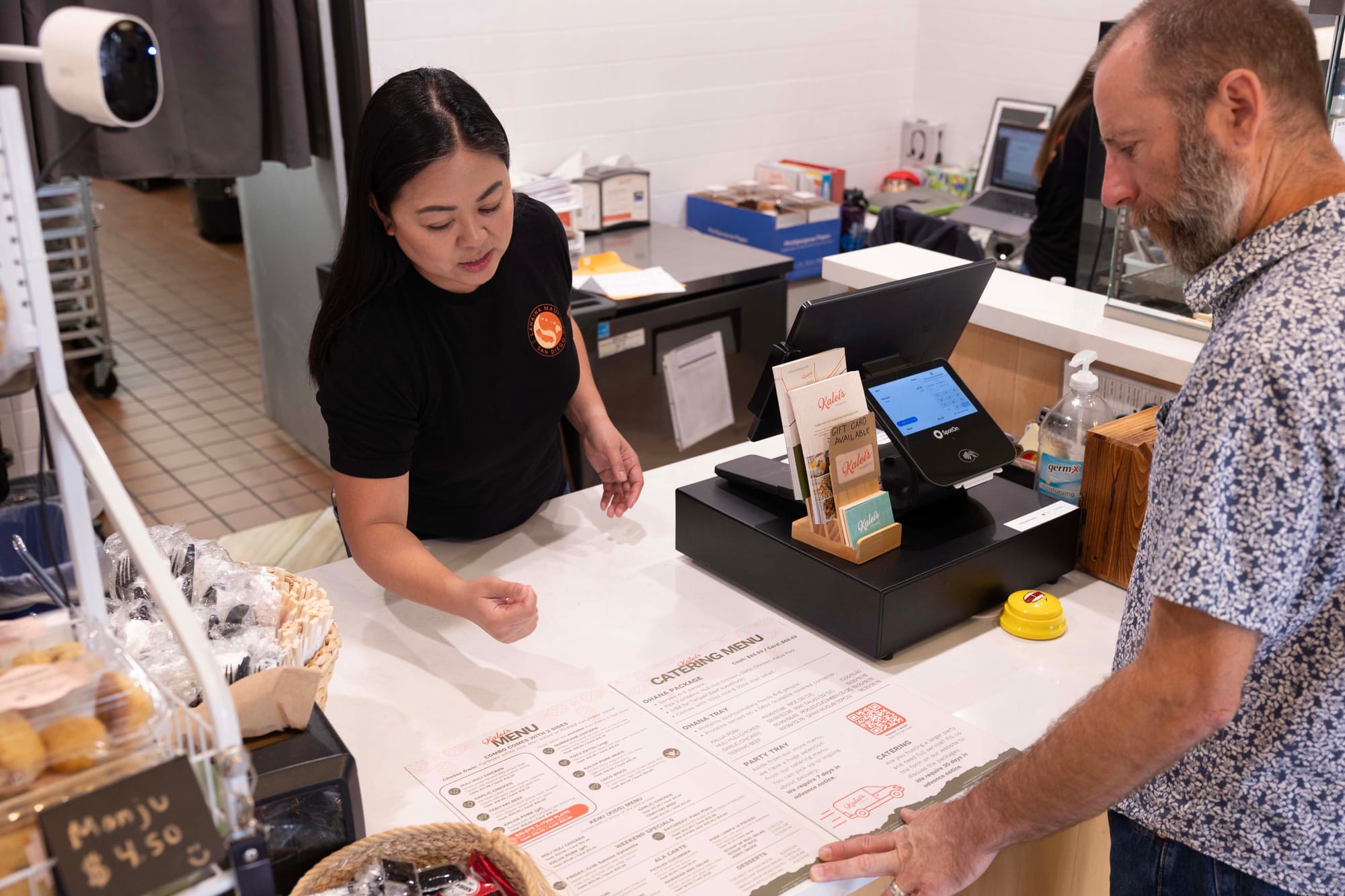
Consumers are fatigued by shrinkflation and “mystery” downsizing, so menus that feel fair win repeat traffic. The operators who thrive pair transparent value (craveable bundles, right-priced add-ons, honest and consistent portion tiers) with disciplined food costs, ensuring every order hits contribution—even when guests choose the value path.
Technology helps you grow profit from what you sell, not from coupons and deals. Add-ons become easy when you build bundles around high-margin items, right-size portions, time offers by daypart, and track promo ROI by channel. SpotOn keeps your first-party offer front and center, while spelling out which items make money and shifting ordering habits so you can double down on money makers and cut back on what’s not working.
Make value obvious—and profitable:
- Design bundles that subsidize proteins with high-margin sides, beverages, or dessert minis.
- Offer tiered portions (solo/share/family) with clear value cues—no “gotchas.”
- Review mix shift and promo ROI weekly; expand winners quickly and cut underperformers.
Bottom line: building trust drives traffic. Make value obvious, keep the math visible, and let contributions, not discounts, do the heavy lifting. When guests feel treated fairly, average check and brand loyalty rise together.
2. The “own the guest” battle escalates — and operator-owned data is paramount
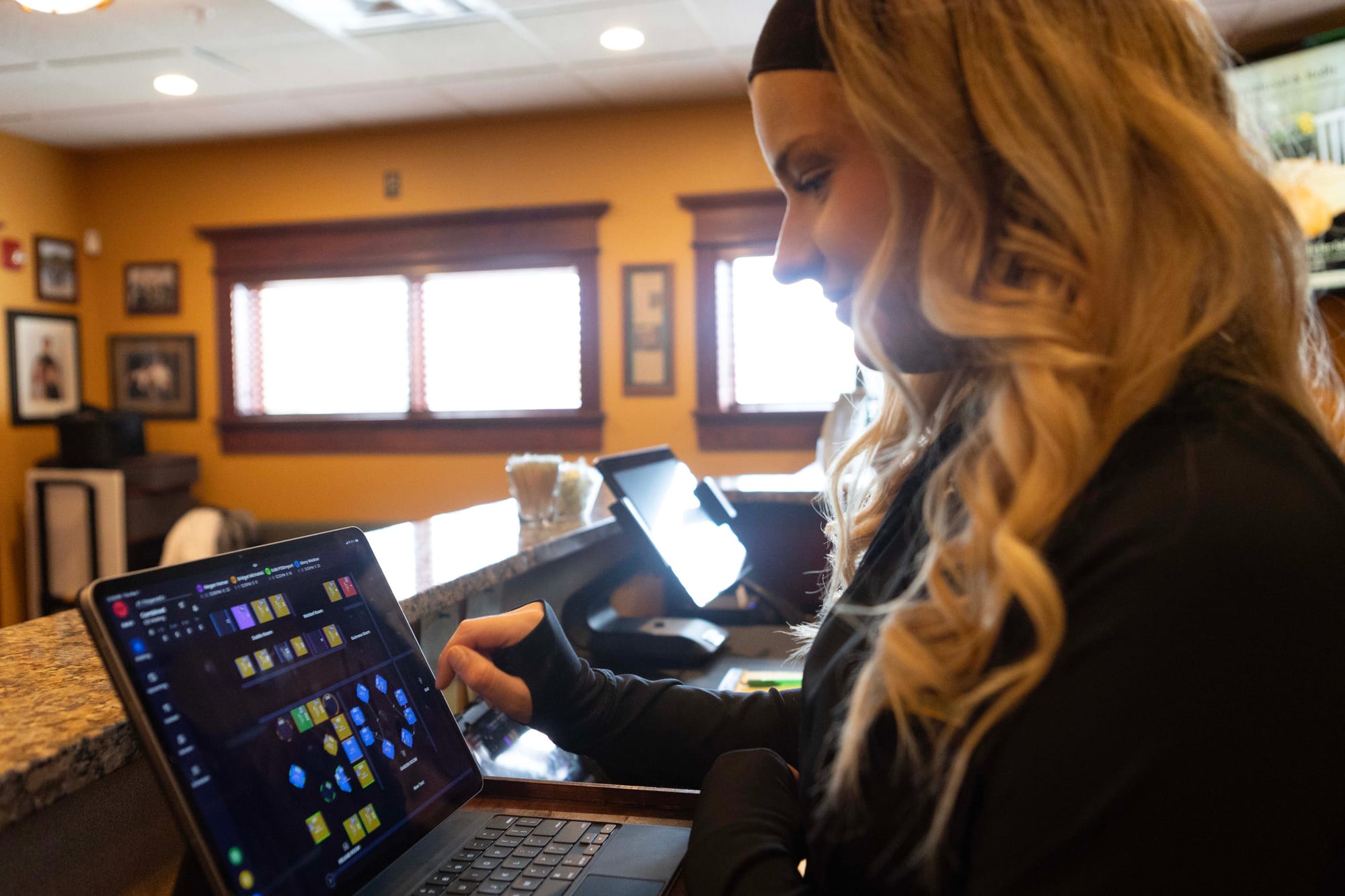
Reservation and marketplace consolidation (Resy/Tock with Amex; OpenTable tighter with Square; 7Rooms inside DoorDash) tightening access to a restaurant’s guest data, pushing restaurants to “rent” demand.. The operators who win will own the guest profile end-to-end—so acquisition costs fall, repeat rates rise, and marketing works on their terms.
Use technology to turn every interaction into a profile moment—reservations, Wi-Fi, QR, kiosks, and first-party checkout—and centralize IDs, tenders, and rewards in one place. As a challenger brand, SpotOn is “first-party first”: reservations, waitlist, and online ordering live inside your RMS, while deep marketplace integrations capture demand without sacrificing data, dollars, or control.
Prioritize first-party, supplement with third-party:
- Capture every interaction and centralize guest profiles. Turn reservations, Wi-Fi, QR, kiosks, and first-party checkout into profile-building moments; automate remarketing by visit cadence, daypart, and AOV.
- Convert third-party customers. Use bounce-backs, on-receipt offers, and timed perks to move marketplace visitors into first-party reservations and ordering.
- Track how much you spend to attract new customers, how often they come back, and how much profit you make from them by channel; renegotiate or reduce what doesn’t pay back.
Bottom line: owning the guest is the priority. Keep relationships, and data, first-party, and let marketplaces work for you, not over you. Control the profile, control the profit.
3. AI works into the background — and quietly lifts margins
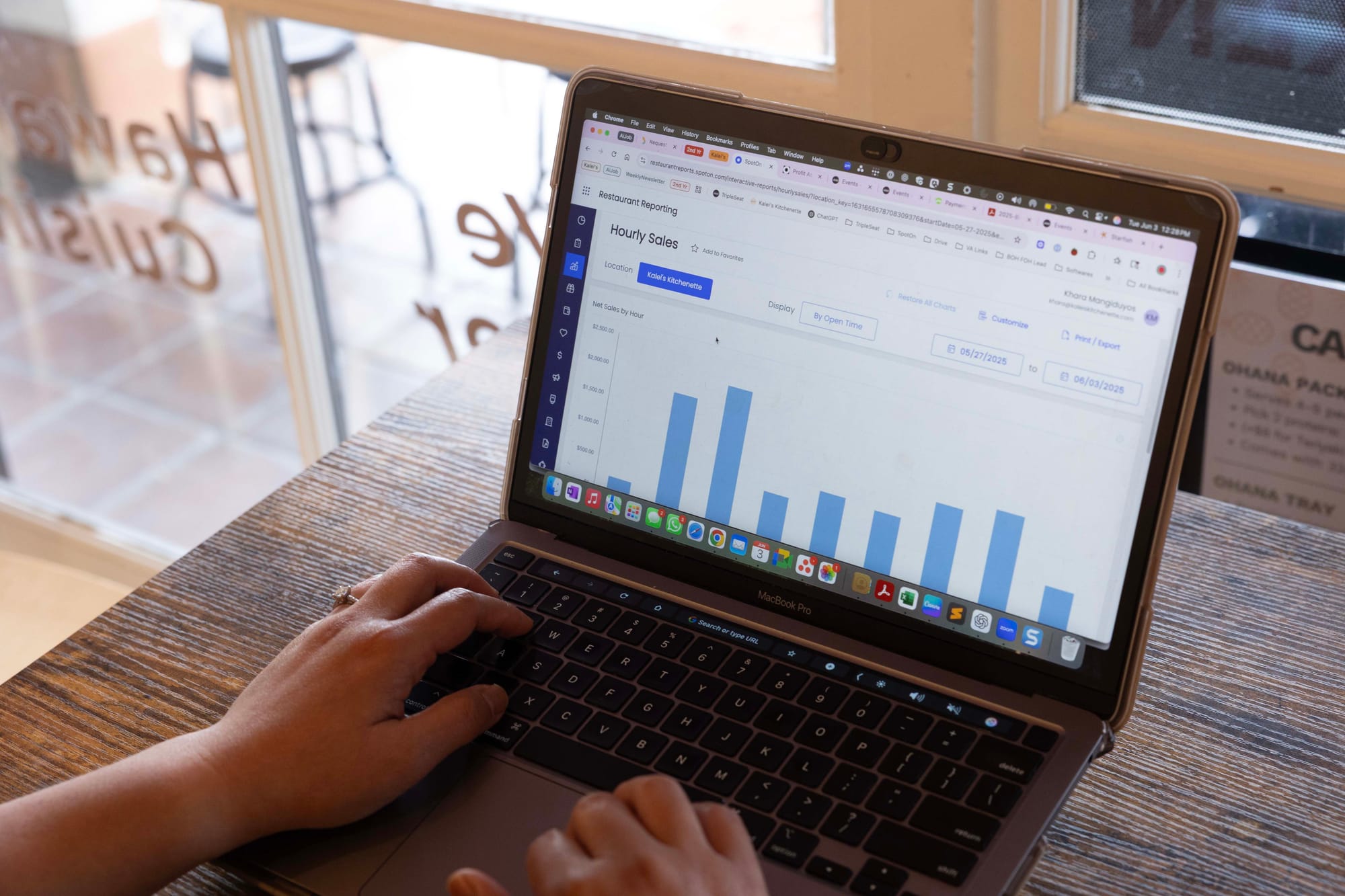
AI is moving from “feature” to infrastructure, quietly analyzing a restaurant’s daily operations to help teams find what they need and act faster. Instead of chasing hype or speed-for-speed’s-sake, the winning pattern is practicality: AI that notices issues before you do, shows you the questions you wouldn’t have thought to ask and prioritizes the actions that lifts margins. The impact for operators is fewer misses, gained confidence, and more time on the floor.
Lean on technology that embeds AI behind the scenes—not as a new dashboard to learn, but as intelligence in the tools you already use: suggest smarter schedules, flag anomalies in sales/labor/COGS, pre-reconcile payouts, optimize order throttling, and surface “next best actions” during service. As a challenger brand, SpotOn focuses on being first with useful AI inside the RMS—not the flashiest—so operators get proactive insights where they work, without extra clicks or vendor lock-in.
Make AI work behind the scenes:
- Start with one high-friction workflow (e.g., schedule building, comp/void monitoring, tip payouts) and automate 80% of the steps.
- Measure time saved and error reduction weekly; keep features that move minutes and margin, cut the rest.
Bottom line: AI doesn’t need a spotlight to deliver value. When intelligence is embedded in everyday workflows, teams move faster, errors drop, and margins rise. Go for practical, operator-first AI that earns trust shift after shift—and let results, not buzzwords, lead the way.
4. Labor gets leaner and pricier — time is the new margin
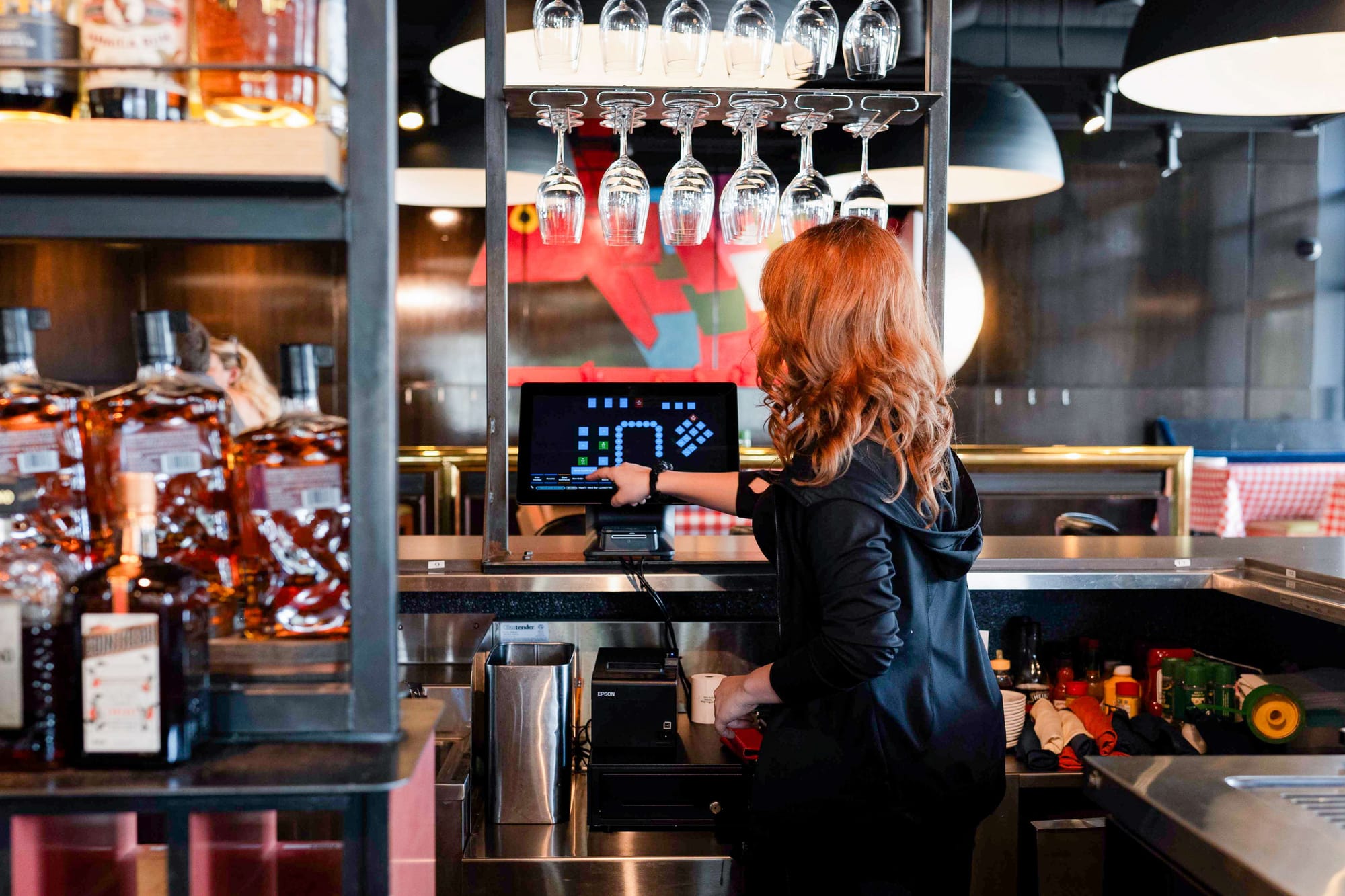
Labor availability is tightening while replacement costs climb, exposing brittle workflows and making back-office waste unacceptable. Most restaurants can’t raise prices much further or run dangerously lean, so minutes saved in operations must become points of margin.
Technology can standardize handoffs, smooth peaks, and give managers time back with scheduling assistance, order throttling, KDS workflows, and exception-driven alerts. As a challenger, SpotOn keeps AI behind the scenes—flagging anomalies, suggesting schedules, and pre-reconciling payouts—so leaders act once on what matters most and get on with running the shift.
Win back minutes, gain margin:
- Set “time theft” goals (minutes removed per process) and track them weekly like COGS.
- Use expo rules and throttling to protect service quality without over-staffing.
- Cross-train for two critical roles per shift to reduce single-point failures.
Bottom line: simpler beats thinner. Standardize the work, automate the busywork, and let managers manage. When minutes flow back to the floor, margin and morale both improve.
5. Payments move to faster funds and programmable value

Employee and vendor payouts and guest payments are shifting toward real-time rails and wallet/loyalty hybrids, linking how customers pay to how brands reward—and lowering total cost of acceptance. Faster funds, cleaner reconciliation, and direct rewards keep more dollars in the business and reduce friction for teams and customers.
Lean on technology that quantifies payment costs by channel and tender, automates reconciliation, and makes loyalty program enrollment effortless for customers during checkout. As a challenger, SpotOn prioritizes outcomes over ideology—supporting trusted rapid tip payout rails today and evaluating new methods only where they deliver clear ROI in speed, net cost, fraud reduction, and loyalty lift.
Route around cost and turn checkout into loyalty:
- Measure payment costs by channel/tender and nudge to lower-cost rails where appropriate.
- Use digital receipts and checkout prompts to enroll guests into loyalty on the spot.
- Pilot one real-time payout use case (e.g., tips), then expand based on turnover and satisfaction data.
Bottom line: payments should work for operators, not the other way around. Route around cost, get paid faster, and turn checkout into loyalty—so cash flow, control, and guest lifetime value all trend up.
6. Beverage mix resets around low/no-proof with THC and daypart drinks filling the gaps

No/low-proof is the new center of gravity—and daypart drinks are doing the heavy lifting. Dirty sodas and refreshers are driving new occasions across breakfast, afternoon, and late-night, while THC beverages are moving from curiosity to category in states where it’s legal. As alcohol orders soften, widening the beverage categories—and piloting compliant THC—protects check averages through more selling moments, higher food attachment, and premium pricing without the ABV.
Operators can use tech to test, time, and track what actually replaces lost alcohol dollars—menu engineering, digital promos, and item-level reporting to prove lift. As a challenger brand, SpotOn keeps you in control with first-party ordering, kiosks, and real-time mix/attach analytics inside the RMS—no walled gardens—so you can scale winners fast and sunset the rest.
Treat beverages like a portfolio:
- Map a hero beverage to each daypart and pair it with a complementary add-on to protect contribution.
- If THC is legal and matches your brand, create SOPs for ID, inventory, and training before launch, then monitor attachments and repeat weekly.
- Rotate 2–3 LTO beverages monthly; keep the top-performers, cut the rest.
Bottom line: beverages are a portfolio, not a single bet. Non-alcoholic, THC, and daypart drinks can more than cover softening alcohol sales—as long as you measure and repeat. Keep what moves the margin and let the data call the shots.
What 2026 means for operators—and for the wider industry
Taken together, these predictions point to a restaurant industry that’s moved past crisis mode and is now deep into refinement and return on effort:
- Menus are being rebuilt around trust and contribution, not tricks
- Guest relationships are moving from rented to owned, with first-party data at the center
- AI is quietly becoming embedded, not a buzzword
- Labor stories are increasingly about time and workflow, not just wages
- Payments are shifting from overhead to strategy
- Beverage programs are turning into portfolios that span dayparts and proof levels
For operators, the mandate is clear: simplify, standardize, and measure what matters. Get the foundation right, then iterate. For the wider restaurant industry there’s a real opening to connect the dots. The choices we make about technology, policy, capital, and collaboration will shape how restaurants welcome guests, support workers, and make the numbers work in 2026 and beyond.
If we listen closely to operators and learn from what’s working on the ground, we can help turn the next wave of change into something tangible: stronger businesses, better shifts, and a healthier restaurant ecosystem for everyone involved.
About SpotOn
SpotOn is a restaurant technology company built to help restaurant operators and local businesses run more profitable, more efficient businesses. While others pile on bloated stacks and surprise fees, SpotOn delivers fast, clear, connected tools that boost profitability, streamline operations, and create better guest experiences. With an end-to-end platform for payments, point-of-sale, and restaurant management, plus practical AI built into everyday workflows and curated integrations, SpotOn helps protect every dollar of profit—without turning owners into IT managers or data analysts. And we don’t drop off software and disappear. Our dedicated onboarding specialists and 24/7 support teams actually give a sh*t, staying with operators to configure the right stack, train teams, and adapt as the business changes—with fairness, flexibility, and a personal touch. For more information, visit www.spoton.com