

According to a recent Gallup poll, only 54% of Americans reported drinking alcohol in 2025, the lowest since first tracking the metric in 1939. The decline is due to a variety of factors:
- More Americans think alcohol is bad for you 53% of Americans say drinking, even in moderation, is unhealthy, up from 25% a little over a decade ago (Source: Gallup).
- Younger people drink less Baby boomers and Gen X accounted for 70% of U.S. alcohol sales in 2025. Meanwhile, Gen Z only accounted for 4% (Source: Yahoo).
- GLP-1 usage inhibits drinking23% of US households now report someone on Ozempic or Wegovy, up 16% year over year (Source: Circana), resulting in reduced alcohol cravings and consumption (Source: The Lancet).
For restaurants, lower alcohol sales means even tighter profit margins. But there is good news. Just because guests don't drink as much alcohol, it doesn't mean they don't want to drink something. Sales of non-alcoholic beverages increased 26% in 2025, creating a huge opportunity. At the same time, while people are drinking less alcohol, when they do they’re willing to spend more, with premium beer gaining market share and high-ABV product sales increasing 11% compared to 2024 (Source: Yahoo).
What to do about it
If you haven’t seen alcohol sales drop on your P&L yet, it’s only a matter of time, so don’t wait. This playbook will show you 8 ways to engineer your beverage program for long-term profitability by incorporating non-alcoholic (NA) beverages and refining your traditional alcoholic beverage offerings.
WATCH: How to Build a Profitable Beverage Program (8 Steps for Restaurants)
1. ANALYZE YOUR CURRENT ALCOHOL SALES TRENDS USING POS DATA
Before you build a NA beverage strategy, understand exactly what you're losing. Your point-of-sale reporting holds every answer you need:
- Run your Product Mix Report for the past 12 months and compare this year's alcohol sales to last year's numbers
- Look specifically at Dry January and Sober October when the decline becomes most visible
- Pull your Profit Margin Report to assess which drinks actually make money based on ingredient costs
You might discover your best-selling cocktail barely breaks even. Run your P-Mix with Subtotals to identify flavor profiles your guests prefer. Do they gravitate toward citrus-forward drinks? Herbaceous cocktails? Sweet and fruity options? This tells you what to build into your NA menu.
Track weekly and monthly trends rather than daily fluctuations. Look for patterns in specific dayparts. Are weekend brunches down while weeknight dinners hold steady? Are beer sales dropping faster than wine?
Use this POS reporting data as your baseline, then track improvements as you tighten your existing beverage menu and roll out new NA offerings.
Discover how a Michigan brewery used insights from their SpotOn point-of-sale to help diversify their menu and improve profitability. See the results →
2. BUILD A STRATEGIC NA MENU THAT MATCHES YOUR CONCEPT
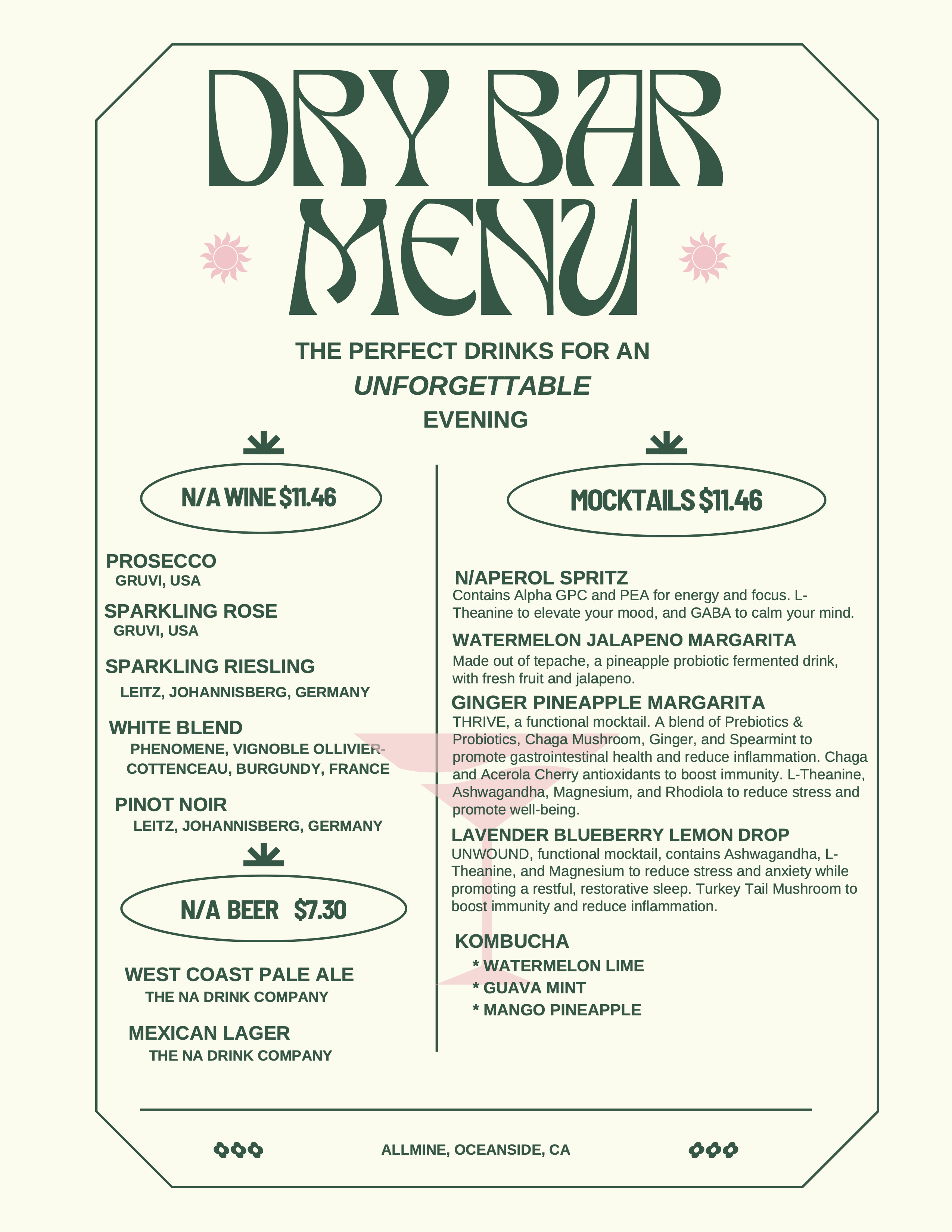
Your NA beverage menu can’t be an afterthought. It needs to align with your restaurant's identity and elevate your beverage program. Guests pay for craftsmanship and experience, not just alcohol content, so task your bartenders with crafting NA cocktails that are memorable and profitable.
NA cocktails
Put the same level of thoughtfulness into your NA mixed drinks that you do your alcoholic drinks, so they pair right alongside one another on your drink menu.
- Create NA versions of your most popular and profitable alcoholic cocktails by incorporating NA spirits such as Seedlip (botanical gin-style), Ritual Zero Proof (whiskey and tequila alternatives), Almave (a top choice for premium NA margaritas), or Lyre's (extensive spirit range)
- Utilize premium mixer ingredients that will be alluring to your guests (and justify the higher price)
- Give your NA cocktails creative names that match your brand, along with menu descriptions that highlight the craftsmanship that goes into making them
- Consider ready-to-drink canned cocktails to test guest appetite for new offerings while avoiding waste
NA beer & wine
No need to overthink it here. Work with your beverage suppliers or sites like The Zero Proof to source quality NA beers and wines. Popular go-to’s include:
- Athletic Brewing (now the 14th largest craft brewer in America, and the top-selling beer at Whole Foods), Guinness 0, or Heineken 0.0
- Proxies (which blend juices and teas to mimic wine structure), Giesen's 0% Sauvignon Blanc, or Oddbird sparkling wine
- If legal in your area, consider adding cannabis-infused beverages
Don’t be afraid of a little trial and error. Ask your bartenders to test products and recipes and provide feedback.
3. ENGINEER YOUR NA MENU FOR MAXIMUM PROFITABILITY
Non-alcoholic cocktails can achieve 60-80% profit margins, matching or exceeding traditional cocktails when you engineer them correctly. The key is strategic ingredient management and efficient preparation:
- Identify ingredients you already stock for your regular menu
- Repurpose herbs from your kitchen
- Use the citrus your bar already orders
- Batch syrups and infusions just like you do for alcoholic cocktails
Consider what you typically discard:
- Water from boiling corn becomes sweet, earthy simple syrup
- Leftover fruit can infuse batched tea bases
- Purple Okinawan sweet potatoes create vibrant color and natural sweetness
WATCH: Menu Engineering - How to Build a More Profitable Restaurant Menu
This approach reduces waste and ingredient costs simultaneously. Batch your non-alcoholic cocktails wherever possible so your bartenders just add ice, garnish, and effervescence during service.
Source seasonal ingredients when they're abundant and affordable. Your menu can rotate with the seasons just like your food menu does:
- Work with your distributor on pricing for premium non-alcoholic spirits, craft sodas, and specialty ingredients
- Track your pour costs using your profit margin report or inventory management software
- Aim for ingredient costs under 20% on non-alcoholic cocktails
You're charging $10-12 for perceived craftsmanship. Deliver on that promise without sacrificing margin.
4. REPLACE LOW-VALUE SOFT DRINKS WITH PREMIUM NA BEVERAGES
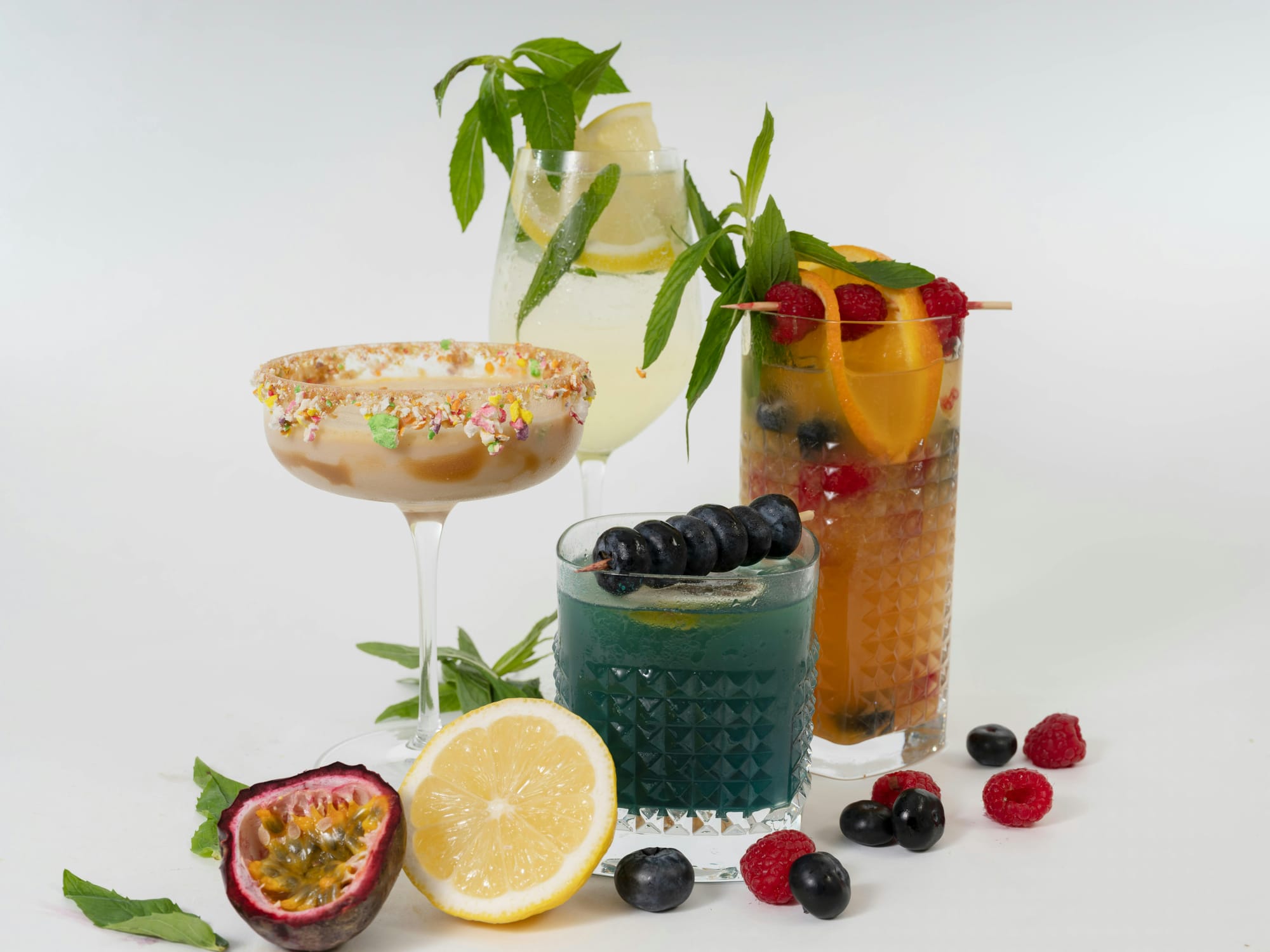
Every $2 soft drink you sell represents a missed opportunity. Your adult guests want something memorable to drink with their meal and they're willing to pay for a quality beverage experience. Replace standard sodas with premium sodas for 2-3 times the price, or even better non-alcoholic cocktails priced at $10-12.
Stock craft sodas and functional beverages instead of mass-market brands:
- Prebiotic sodas like Olipop or Poppi
- Premium sparkling waters, or ready-to-drink options like Ghia (Mediterranean aperitif) or Curious Elixirs (craft cocktails).
- Organic social tonics like hiyo (functional seltzer “for the brain”) or VYBES (CBD elixirs)
A housemade ginger beer costs marginally more to produce than a Coke but commands three times the price. Fresh-pressed juices, artisanal kombuchas, and zero-proof cocktails should be your default non-alcoholic options. You can still offer standard sodas, but don't feature them prominently.
5. TRAIN YOUR STAFF TO SELL (AND UPSELL) NA OPTIONS
Your team won't sell what they don't understand or value. Start by educating servers and bartenders on why non-alcoholic options matter and how the market is shifting. This isn't a fad.
Have your bartenders:
- Taste every non-alcoholic product you stock
- Describe flavor profiles confidently and make genuine recommendations
- Create tasting notes for your team. Which NA gin has the most botanical complexity? Which dealcoholized wine actually tastes good?
Train servers to:
- Mention non-alcoholic options when presenting drink menus, not just when guests ask. This normalizes non-alcoholic ordering:
- Suggest NA options first when guests decline wine or beer:
Teach your team to read the table. Guests on GLP-1 medications, designated drivers, pregnant women, sober-curious individuals — they all want hospitality without assumption or judgment. Create a feedback loop. When guests order non-alcoholic options, have servers ask what they enjoyed.
6. MARKET YOUR NA PROGRAM TO BOTH DRINKERS AND NON-DRINKERS
Non-alcoholic beverages appeal to everyone, not just non-drinkers. Create a dedicated section on your drink menu for premium NA beverages. Don't hide them at the bottom or group them with soft drinks. Give them equal real estate with your cocktails and wine. Use appetizing descriptions and quality photography. You're selling an experience worth $12, so present it that way.
Market your program as premium beverage options, not substitutes for "real drinks."
- Highlight craftsmanship, quality ingredients, and sophisticated flavor profiles
- Update your restaurant website and online menus to prominently display non-alcoholic offerings
- Feature your NA cocktails on social media with the same style photography you use for alcoholic drinks
- Create seasonal campaigns around Dry January and Sober October, but maintain visibility year-round
- Offer a free NA drink as an enrollment offer for guests who sign up for your digital loyalty program
- Feature a non-alcoholic drink-of-the-month on social media or your monthly email newsletter
Also consider events that showcase your non-alcoholic program:
- Host a zero-proof cocktail night
- Partner with non-alcoholic spirit brands for tastings
- Invite wellness influencers or sober-curious community groups
- Host group dining events, limited-time offerings, and chef-curated NA pairings
7. ADAPT YOUR OVERALL BEVERAGE STRATEGY FOR THE “K-SHAPED ECONOMY”
The restaurant industry faces a split economy. Guests who can afford it opt for premium experiences while others are more price-conscious. Your beverage strategy should address both.
For your traditional alcohol-consuming guests with more disposable income:
- Focus on premium spirits and wines
- Train staff to upsell top-shelf pours
- Offer flights and tastings that encourage exploration
- Feature unique, hard-to-find bottles
- Create pairing experiences that justify higher price points
For younger, health-conscious guests, your non-alcoholic program becomes your differentiation. Provide a social experience without alcohol and command premium prices. In addition to the NA options we’ve already discussed, consider these options:
- Offer functional beverages where legal—brands like Kin Euphorics (adaptogens), Recess (CBD-adjacent), or Three Spirit (plant-based mood effects)
- Partner with local producers or stock ready-to-drink options like Little Saints (plant‑medicine inspired mocktails) or Leilo (kava-based social tonics)
Create tiered pricing within your non-alcoholic menu. Housemade lemonade sits at one price point. A complex zero-proof cocktail with Seedlip or Lyre's sits at another. A functional botanical drink sits at the top. This gives guests options while protecting your profit margin. Use your POS data to track which segments respond to which offerings.
8. REFINE USING MENU ENGINEERING AND SALES DATA
Building an NA beverage program requires ongoing analysis. Your point-of-sale platform gives you everything you need. Set up weekly or bi-weekly reporting to track NA beverage sales alongside traditional alcohol metrics.
Run menu engineering analysis monthly or quarterly. Identify your stars (high profit, high popularity), puzzles (high profit, low popularity), plow horses (low profit, high popularity), and dogs (low profit, low popularity). Stars stay. Puzzles need better marketing. Plow horses need pricing adjustments. Dogs get cut.
Then make it a habit:
- Compare non-alcoholic sales to previous months and years. Track which dayparts, days, and items are growing. Use your P-Mix with Subtotals to spot emerging trends.
- Test new items strategically. Add one or two new options each quarter. Track performance for 30 days. Keep winners, replace losers.
- Gather qualitative feedback alongside data. Have servers ask guests what they think. Monitor online reviews for beverage mentions.
- Listen to your guests, then use your POS data to validate whether requests translate to sales.
This combination creates a constantly improving beverage program that protects profit margins even as alcohol consumption declines.
MAKE THE SHIFT NOW
Declining alcohol sales represent a fundamental shift in guest behavior, not a temporary trend:
- Wellness movements like Dry January gain momentum each year
- Younger generations drink less
- GLP-1 medications reduce alcohol consumption
Selling $2 sodas isn’t going to help your bottom line, but curating a $12 NA menu can
You can't reverse these forces, but you can adapt to thrive within them. The restaurants that succeed will:
- View non-alcoholic beverages as a profit opportunity, not a reluctant accommodation
- Use their POS platform to understand their guests
- Engineer profitable menu items, including alcoholic beverages
- Train their staff effectively
- Market strategically
Your point-of-sale system already contains the insights you need. Run the reports. Identify the trends. Build the menu. Train the team. Track the results. Adjust and improve.