
Most restaurant operators know they need to “do marketing,” but too often it feels like throwing money (and time) into a black hole.
You post on social media, run the occasional promotion, maybe boost a few posts or try a new platform, yet it still feels impossible to tell what’s driving new guests, repeat customers, and higher food sales.
The problem usually isn’t effort—it’s the approach.
Marketing gets treated as a series of isolated actions. Not as a system that supports how a restaurant actually operates.
One week you’re focused on visibility, the next you’re discounting to fill slow periods, and none of it builds on what came before.
In this guide, we’re going to break restaurant marketing down into the parts that drive real results:
- How diners discover your restaurant
- What influences their decision to order from you
- How to keep them coming back
The goal isn’t to do more marketing. It’s to understand what’s worth your attention, what’s not, and how to build something that compounds instead of resetting every month.
Jump to:
- What is restaurant marketing
- How restaurant marketing works as a connected system
- Know who you're targeting
- Discovery: how diners discover restaurants
- Conversion: how diners decide where to eat
- Retention: turning first-time orders into repeat customers
- How to tell if your restaurant marketing is really working
- What to focus on when time and budget are tight
- Common marketing mistakes
- Restaurant marketing FAQs
What is restaurant marketing—and why many restaurants get it wrong
Restaurant marketing is often misunderstood because it doesn’t come with a clear start or finish. Unlike operations or finance, it’s spread across dozens of small choices, which makes it easy to mislabel tactics as strategy.
The first step to restaurant marketing success is changing the way you think about it.
Think of restaurant marketing as a system, not a list of tasks
At its core, restaurant marketing comes down to a few fundamental jobs:
- Helping diners find you
- Giving them a reason to choose you
- Encouraging them to come back
- Making sure your efforts are sustainable for your time and budget
Those jobs are carried out across many different touchpoints. That includes obvious ones like your restaurant website, social media, and promotions, but also reviews, menu presentation, the ordering experience, and how consistently your brand shows up across channels.
The reality is that marketing is always happening, whether you're actively promoting your restaurant or not.
When information is outdated, inconsistent, or hard to find, those gaps shape how customers perceive you just as much as a post or promotion would.
Where most restaurants struggle is treating marketing as a checklist instead of a connected system:
- Posting on social media accounts
- Running marketing campaigns
- Testing new restaurant marketing ideas
Each of these can feel productive, but without a clear restaurant marketing strategy in place, those efforts rarely build momentum that results in higher sales.

What counts as marketing—and what doesn’t
One of the most common mistakes restaurant owners make is equating marketing with short-term promotion.
Discounts, giveaways, or a free meal contest can drive a quick spike in sales, but they don’t replace a real restaurant marketing plan.
Promotion is just one tool.
Marketing is the plan that decides why you’re running something, who it’s meant to reach, and what result you expect.
Without that context, promotions will just train customers to wait for deals instead of building long-term value.
Restaurant marketing is more than “posting on social media”
A lot of restaurant owners treat social media like a magic bullet, when it’s really just one marketing channel—not the foundation of restaurant marketing.
Long before someone sees a post, consumers rely on search results, maps, menus, photos, and positive reviews to decide which restaurants are even worth considering.
If your online menu is outdated, your business profile is incomplete, or your presence looks inconsistent, you’re losing potential diners before social media ever enters the picture.
That’s why marketing can’t be reduced to posting frequency—it’s about what guests see when they’re already looking.
How restaurant marketing has changed in the last few years
If it feels like restaurant marketing has gotten more complicated, that’s because it has.
There was a time when you could rely on foot traffic, word of mouth, and the occasional ad. Now, customers are finding, evaluating, and ordering from restaurants entirely online, and they expect everything to be seamless.
Platforms like Google, Yelp, DoorDash, and Instagram aren’t just discovery tools anymore. They’re where people decide whether or not to visit you.
That means your restaurant marketing strategy needs to account for more than just visibility—it has to influence decision-making and build trust fast.
The restaurants seeing the most success aren’t necessarily the ones spending the most money. They’re the ones with a clear, consistent marketing plan, built around how real people discover, choose, and return to places they love.

How restaurant marketing works as a connected system
Restaurant marketing only works when you stop treating it as separate jobs. How diners find you, what makes them choose you, and what keeps them coming back are all part of the same system.
When those pieces line up, marketing becomes easier to manage and easier to measure. When they don’t, even good ideas fall flat.
Let’s take a closer look at why you need your restaurant marketing to work as a connected system.
What goes wrong when marketing efforts don’t connect
Here are a few examples of how you can lose a customer when your marketing tactics don’t work together:
- A guest finds your restaurant through search but lands on an outdated menu
- A promotion drives interest, but the ordering experience is clunky and difficult to navigate
- Someone places their first order, but there’s no follow-up to bring them back
This is how your marketing budget slowly disappears.
Traffic comes in, but conversion suffers.
Orders come through, but repeat business doesn’t follow.
Without a clear restaurant marketing strategy tying efforts together, it becomes hard to tell what’s working and even harder to fix what isn’t.
How discovery, decision-making, and retention support each other
Effective restaurant marketing works like a loop.
- Discovery brings in new customers through visibility, search, and reviews.
- Decision-making (conversion) happens when guests compare menus, pricing, photos, and overall look and feel of your restaurant.
- Retention takes over after the first order, turning a one-time visit into an ongoing relationship.
Discovery → Decision-making → Retention
When these stages reinforce each other, results compound.
Better discovery brings more qualified traffic. Clear decision-making increases conversion. Retention builds loyal customers who return without constant promotion.
Break one link, and the whole system weakens.
Why consistency matters more than chasing new channels
Restaurants often feel pressure to try new platforms or trends. But consistency across the channels you already use will typically deliver better results.
Accurate menus, up-to-date profiles, reliable online ordering, and a cohesive brand identity matter more than adding another tool.
For local businesses, consistency builds trust and reduces friction at the moment of decision. When your information is clear and aligned, guests move through the system more easily, and marketing becomes more predictable over time.
Now that you know the best way to approach restaurant marketing, let’s start laying down the foundation of your marketing strategy.
The first step in restaurant marketing: knowing exactly who you’re targeting
If you’re marketing to “everyone,” you’re not really marketing to anyone. This is one of the biggest mistakes restaurant operators make, and it leads to wasted time, effort, and marketing budget.
Every successful restaurant marketing plan starts with knowing exactly who you’re trying to reach. When you understand your ideal customer, everything else becomes easier: what channels to use, what to say in your messaging, and which offers will actually work.
See how Adalina Prime got the word out about their new opening.
Why “everyone” isn’t a real audience
It’s natural to want your restaurant to appeal to as many people as possible. But the truth is, trying to speak to everyone usually means you end up connecting with no one.
The best way to understand your target audience is to develop buyer personas—a fictional yet realistic profile of your ideal customers.
Start by asking questions that relate to:
- Age: Are you appealing to young people, college students, retirees, families, or busy professionals?
- Income level: How much are your customers comfortable spending when they go out? Do they prioritize affordability, or are they willing to pay more for quality or convenience?
- Profession and lifestyle: Are they office workers ordering during the week, shift workers grabbing quick meals, or locals looking for a regular hangout?
- Ordering habits: Do they typically dine in, order takeout, or rely on delivery? Are they ordering for themselves or for groups?
- Motivations: Are they choosing your restaurant for speed, value, consistency, experience, or something else?
- Frequency: Are they occasional visitors, regulars, or repeat takeout customers?
Don’t feel like you need to make dozens of personas—just one or two clear customer profiles can give you real value. And remember, the more specific you get, the better your restaurant marketing strategy will perform.
Not all customers discover and choose restaurants the same way
A 24-year-old college student most likely won’t find your restaurant the same way a 42-year-old parent will.
Some diners use search and reviews while others are influenced by social media, user-generated content, or recommendations from local groups.
The idea is to understand how different customer types interact with each marketing channel, so you know where to focus your marketing efforts. You don’t need to be everywhere, just where your people are.
Your ideal customer determines your channels, message, and offer
Once you’re clear on who your ideal customer is, you can use that information to shape your restaurant marketing decisions, including:
- The tone and style of your social media marketing
- What kind of marketing campaigns you run (for example, quick weekday offers versus weekend-driven promotions)
- Which marketing channels you prioritize, and which ones you can ignore
- How you talk about your menu, pricing, and value
- Which restaurant promotion ideas make sense
For example, let’s say you own a fast-casual restaurant in a business district with a steady lunch crowd, but you want to increase weekday sales.
Your ideal customer would be a 30-45-year-old office worker who orders lunch during the workweek. They care about speed, predictable quality, and not spending too much time or mental energy deciding where to order from.
This single customer profile can now shape your marketing decisions:
- Tone and style: Your tone should be practical and straightforward, not playful or trend-driven.
- Campaigns: Focus on weekday lunch offers, not late-night or weekend promotions.
- Channels: Prioritize Google Search, Maps, and online ordering over social media platforms.
- Menu and pricing: Highlight popular menu items, bundles, and easy reordering over novelty dishes or complex choices.
- Promotions: Use loyalty programs to reward repeat weekday orders rather than one-off discounts. This is the easiest way to engrain consistent ordering habits.
None of these decisions are random. They’re a direct result of understanding who you’re trying to reach and why they choose your restaurant.
Unclear targeting leads to scattered effort and wasted money
When your target audience isn’t well defined, you end up spreading your efforts across too many different marketing campaigns, making it difficult to understand what’s working and where you need to make adjustments.
That’s how restaurant marketers waste time being busy, without showing any results for their work.
Targeting your ideal customers directly improves performance and helps you engage customers who are far more likely to become repeat customers, which is what makes effective marketing sustainable.
Discovery: how diners discover restaurants (and where to focus your efforts)
Before anyone decides to eat with you, they have to find you first.
Discovery is where restaurant marketing starts, and it’s where most restaurants either stand out, get overlooked, or are never seen at all.
Fortunately, you don’t need to be everywhere; you just need to show up in the places that matter most.
Understand the difference between organic and paid visibility
There are two main ways diners find you online: organic visibility (search results and maps) and paid visibility (ads). Both matter, but they work differently.
Organic visibility is where most restaurants start because it’s free, and helps you show up when someone searches for terms like “best tacos near me” or scrolls through Google Maps. It’s driven by your Google Business Profile, your restaurant website, organic social media, and local SEO.
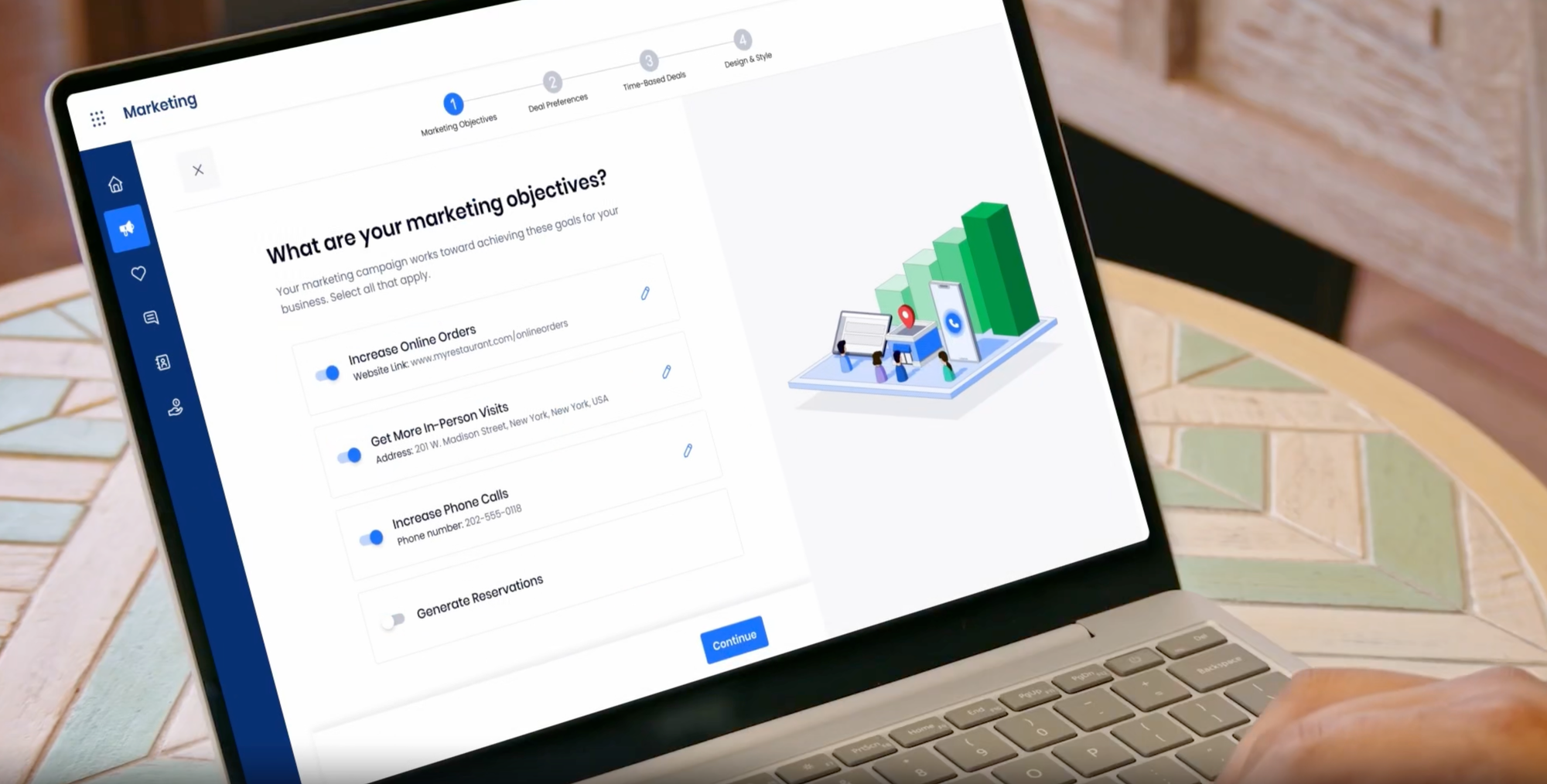
Paid visibility is when you pay to get your restaurant in front of people, like Google Ads, sponsored Instagram posts, or third-party delivery promotions. These can work well, but only if they’re targeted and intentional.
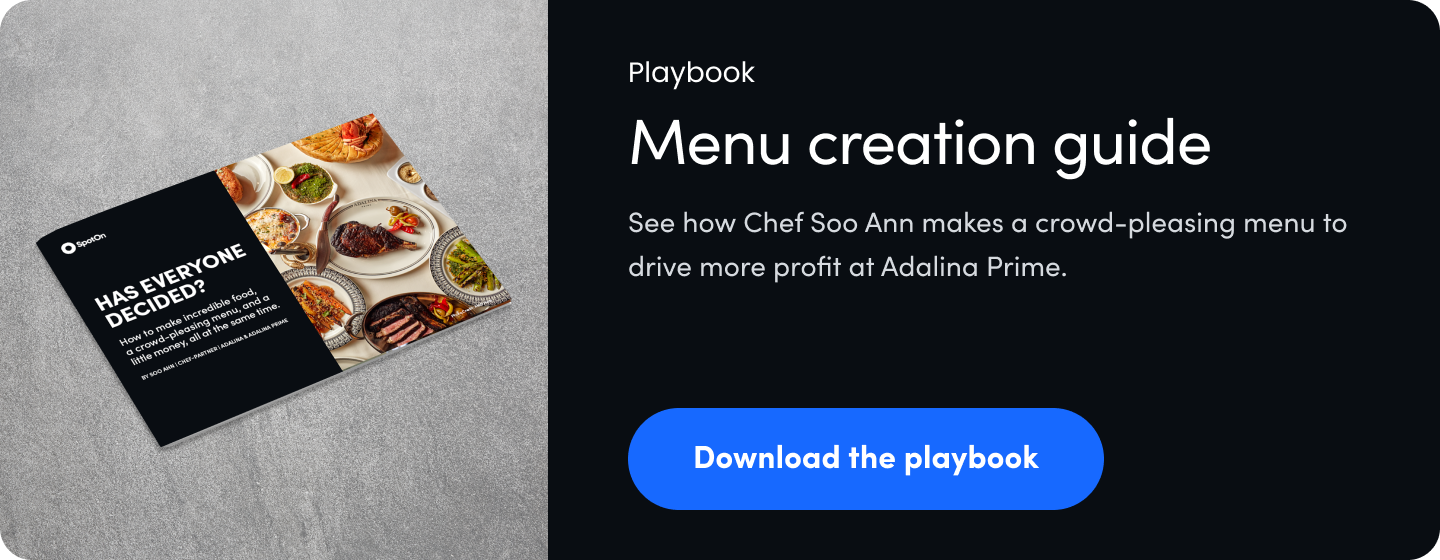
WATCH: Restaurant SEO 2026 - How to Get Your Restaurant Found on Google
Focus on local SEO and Google Business Profile over most other channels
If you do one discovery thing consistently, do this: local SEO plus a dialed-in Google Business Profile.
When people search for nearby options, your business profile is often the first and most persuasive piece of marketing material they see.
It needs accurate hours, categories, ordering links, photos, and fresh activity so your local restaurant shows up in relevant search and looks like a safe bet.
Read our beginner-friendly Restaurant SEO Guide to get started using local SEO.
Paid promotion works best when it amplifies what’s already working
Don’t spend money on digital advertising or Google Ads unless you already have a strong marketing strategy in place. If you spend money on ads but lack clear branding, great photos, or a well-built menu, guests will leave, and you’ll end up throwing away your marketing budget.
Once you lock in the basics and have something specific to promote, like a new menu item or a new restaurant location, you can start spending money on ads.
A lot of restaurants get burned because they boost the wrong thing, for example, an unconvincing post, a vague message, or a page that doesn’t convert, then blame the channel instead of the subpar setup.
Search results, maps, and reviews are where diners decide where to eat
When a diner is trying to decide between five nearby restaurants, they’re not just looking at your food; they’re comparing reviews, photos, and how easy it is to find key information.
That means things like:
- Your rating and number of positive reviews
- How your photos look on Google and Yelp (hint: use professional photography)
- Whether your menu is easy to access (an obvious link to your menu online)
- What people are saying in the comments (and how you reply)
Every touchpoint either builds trust or creates doubt. You don’t need to be perfect, but you do need consistency and a positive reputation that tells diners “this place is worth it.”
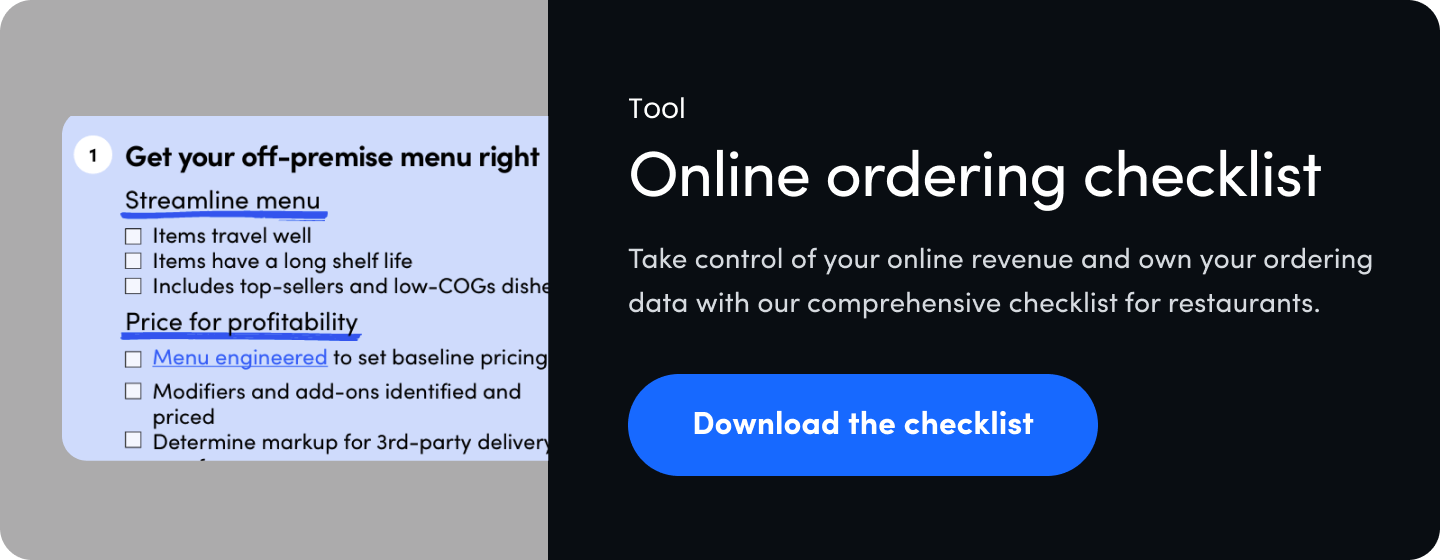
Make online ordering and menus easy to find the moment diners are ready to order
It might not seem like it, but your online ordering link is part of your marketing strategy because its intent is to compel people to take action.
If your online ordering link or online menu is buried somewhere on your restaurant website, potential diners will just leave because they don’t want to take the time to find it. It’s easier for them to revert to a more familiar restaurant’s ordering system.
Restaurants that make it obvious how to place an order convert more online traffic without needing more exposure, simply by removing friction.
Use offline discovery only when it reinforces your online presence
Tactics like direct mail, neighborhood partnerships, community involvement, and working with local nonprofits can still influence discovery for local businesses, but only when they align with what diners see online.
One of the first things people will do when they learn about your restaurant is go online to learn more. If your offline messaging doesn’t line up with your digital information, it creates doubt instead of interest.
Conversion: how diners decide where to eat and how marketing influences their choice
Once diners discover your restaurant, the next step in your marketing strategy is conversion (decision-making), which is where diners decide whether or not they’ll dine with you.
It’s at this stage that your potential guests are asking themselves, often subconsciously, “Is this place worth it?”
Your job is to make that answer a resounding yes.
Here’s how to convert interested searchers into paying customers.
How branding shapes expectations before a guest ever interacts with you
Before anyone reads a menu or places an order, they are forming an opinion about your restaurant based on your brand identity.
That includes your:
- Name, logo, colors, and overall visual style
- Photos and how your food and space are presented
- Tone and language used on your website, listings, and social profiles
- How up-to-date your brand looks and sounds across search, maps, and social
- Reviews and the way your restaurant responds to them
Each of these restaurant branding elements shapes new customers’ expectations around price, quality, convenience, and experience, long before a guest decides whether to click, visit, or order.
Your menu, photos, and pricing significantly influence their decision
Once a diner is interested, your menu becomes one of your most powerful conversion tools.
Clear descriptions, logical menu item organization, and pricing that matches their expectations all influence whether someone follows through.
Your photos play a similar role because high-quality images help diners visualize the experience of eating at your restaurant. This reduces uncertainty and confirms to diners that your business is worth the investment.
Your pricing doesn’t need to be cheap to convert diners; it just needs to feel justified. Building a strong menu and using professional photography does that because you’re meeting their expectations, so their decision feels easier and more confident.
Use social media to reinforce trust, not just build awareness
By the time someone checks your social media accounts, they’ve usually already discovered your restaurant elsewhere. Now they’re just looking for signals that you’re worth their time and money.
That means your social media should:
- Reinforce what makes your restaurant unique
- Show real food and happy customers (leverage user-generated content)
- Reflect your current menu, hours, and vibe
Each of these tells diners your restaurant is active and reliable. A polished Facebook business page or active social media account will help reinforce credibility, but it will rarely override weak menus, reviews, or ordering experience.
Third-party listings can either help or hurt your marketing
Third-party listings like Yelp, Google, TripAdvisor, and delivery services play a powerful yet subtle role in how your restaurant shows up in search results and in shaping your reputation.
When handled correctly, they can add positive social proof, increase local visibility, and reinforce diners’ confidence when choosing your restaurant.
When neglected, they do the opposite.
Outdated hours, mismatched menus, old photos, or unanswered negative reviews create misgivings, even if everything else about your marketing looks solid.
Many diners will cross-check these platforms before ordering or visiting, and inconsistencies can be enough to push them toward another option.
To combat this, stay on top of customer reviews, ensure your online data is always accurate and up-to-date, and keep your photos and menus fresh.
You can’t fully control these platforms, but you can make sure your business profile is always accurate and optimized. That alone can be the difference between a new customer and a lost one.
Retention: turning first-time orders into repeat customers
So far, we’ve covered discovery, which brings people in.
Conversion, which convinces diners to order.
Now, it’s time to close the loop with retention, the part of restaurant marketing that keeps customers coming back again and again.
Without retention, marketing becomes an endless chase for new customers. With it, each new order has the potential to generate ongoing value without starting from scratch every week.
Why retention is the most cost-effective form of restaurant marketing
Constantly pursuing new customers is significantly more expensive and difficult than keeping your regular customers coming back.
Once someone has ordered from you, you no longer need to convince them that your restaurant exists or earn their initial trust. You’re building on an existing relationship.
That’s why ownership matters more than reach at this stage. Repeat business is more predictable, more profitable, and far easier to grow than starting from zero with every order.
And the only way to own your customer relationship is with a direct online ordering system.
Direct online ordering is the foundation of retention marketing
If a guest orders through a third party, the platform owns the customer relationship—not you. You have zero ways to follow up, and you’re renting attention from third-party apps that control how and when you get seen.
When diners place orders through your own system, it gives you access to customer data, order history, and contact information, which is everything you need to execute a retention restaurant marketing strategy, like email marketing, SMS, or a loyalty program.
Without direct ordering, follow-up becomes fragmented, inconsistent, or more often than not, impossible.
Email and SMS work because they’re owned channels
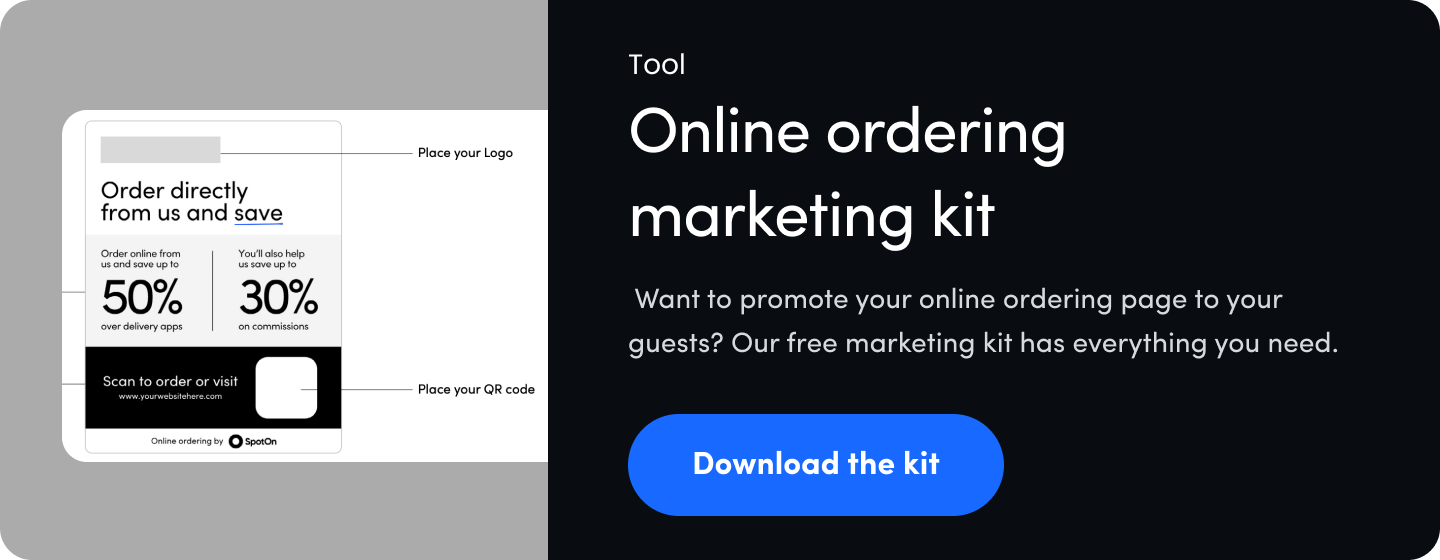
Email marketing and SMS work because they give you the most direct link possible to your customers.
You’re not relying on an algorithm or paying for visibility—you’re reaching people who already sign up to hear from you, and it’s incredibly effective. For every $1 spend, it can generate as much as $42 in sales.
Used well, these channels help you stay top of mind, encourage repeat orders, and promote relevant offers without bothering your customers.
You can use them to:
- Announce new menu items or specials
- Invite regular customers to return if they haven’t placed an order in a while
- Remind customers of loyalty points
- Send scheduled promos
These channels are low-cost, high-impact, and completely under your control.
Loyalty programs and how to make yours successful
Loyalty programs are most effective when they’re simple, visible, and tied to real value.
Guests shouldn’t have to think too hard to understand how they earn rewards or why it’s worth participating.
Programs that reward repeat behavior consistently, rather than requiring complex rules or long timelines, are more likely to drive retention.
A loyalty program works when it reinforces habits customers already want to build, not when it tries to force behavior that doesn’t fit how people order.
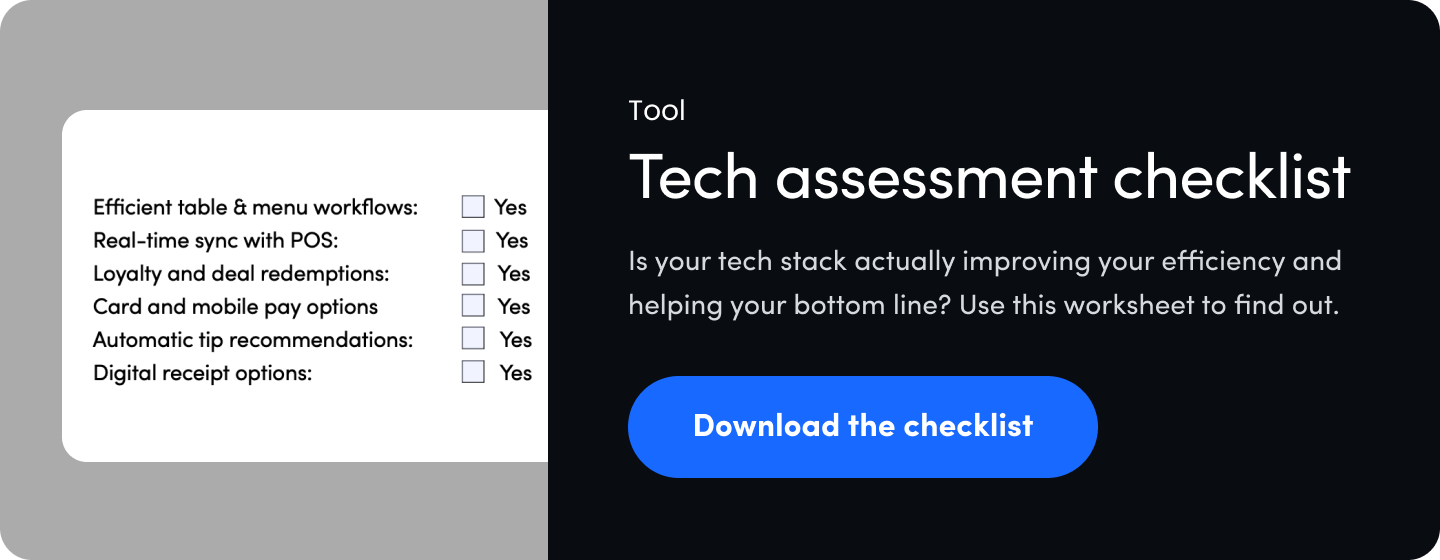
Why disconnected tools make retention harder than it needs to be
Many restaurants will use a mix of tools—one for online ordering, one for loyalty, another for email—and none of them talk to each other.
That makes it hard to track diner behavior, personalize offers, and even understand who your most loyal customers are.
When your restaurant tech tools aren’t connected:
- You can’t easily follow up after a guest orders
- Loyalty rewards don’t sync across dine-in and takeout
- Campaigns feel generic because data is missing or siloed
The result is extra work for your team and a less seamless experience for your guests.
When your restaurant management systems are integrated, retention becomes a whole lot easier, and your restaurant marketing plan works like a system instead of a patchwork of tactics.
How to tell if your restaurant marketing is really working
One of the biggest frustrations operators have with restaurant marketing is not knowing whether it’s actually paying off.
Effort goes in, money goes out, and the results feel murky.
The goal of this section is to give you a clear way of telling what’s helping your restaurant marketing success and what’s just creating noise.
Marketing is a process, not a one-time setup
First, it’s important to understand that restaurant marketing isn’t a “set it and forget it” situation.
Customer behavior changes. Your menu evolves. Channels perform differently over time.
Ongoing marketing doesn’t mean constant reinvention, though—it just means you need to regularly check whether your approach still aligns with how customers are discovering, deciding, and returning to your restaurant.
Consistency matters, but so does adaptability.
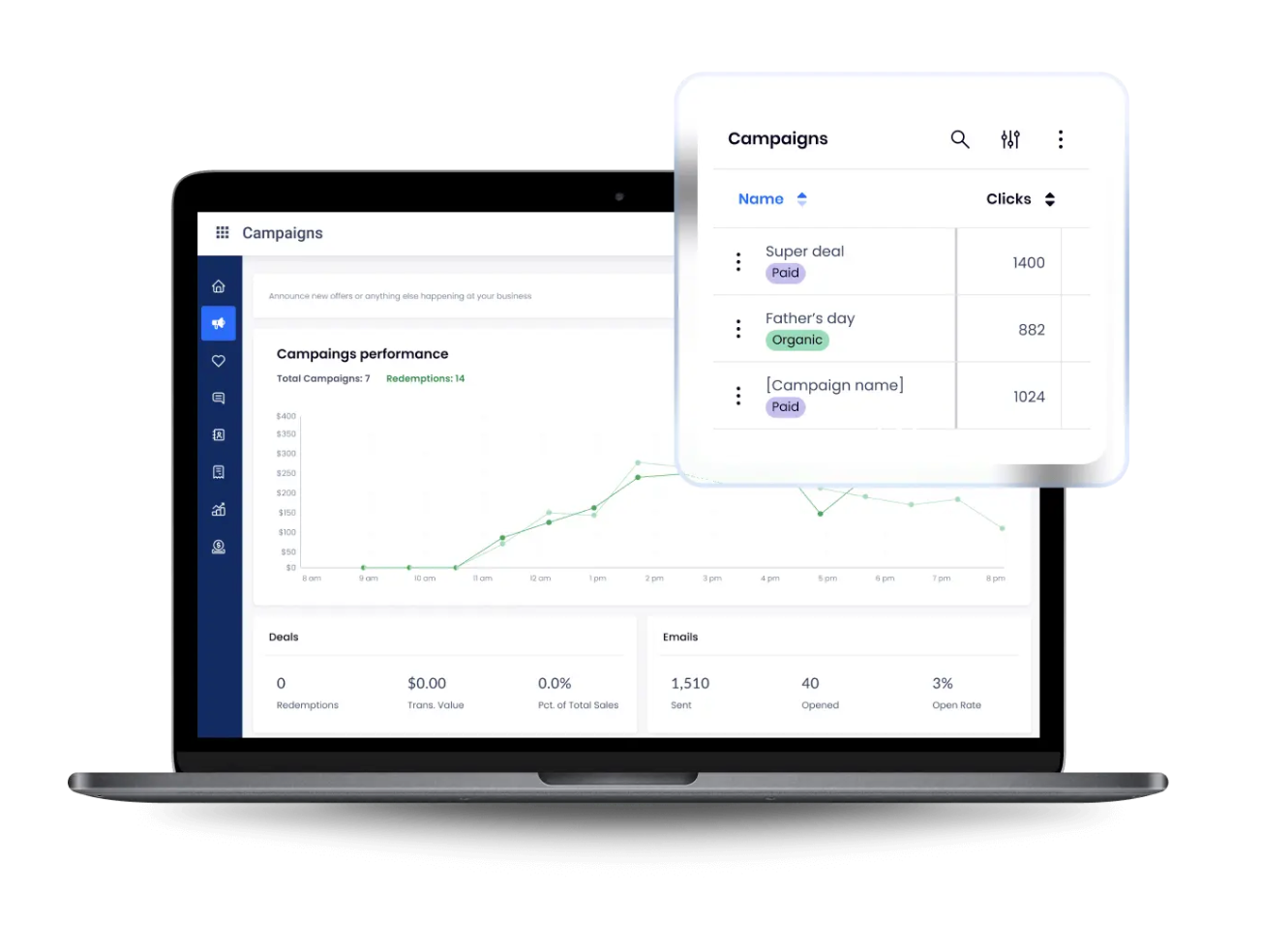
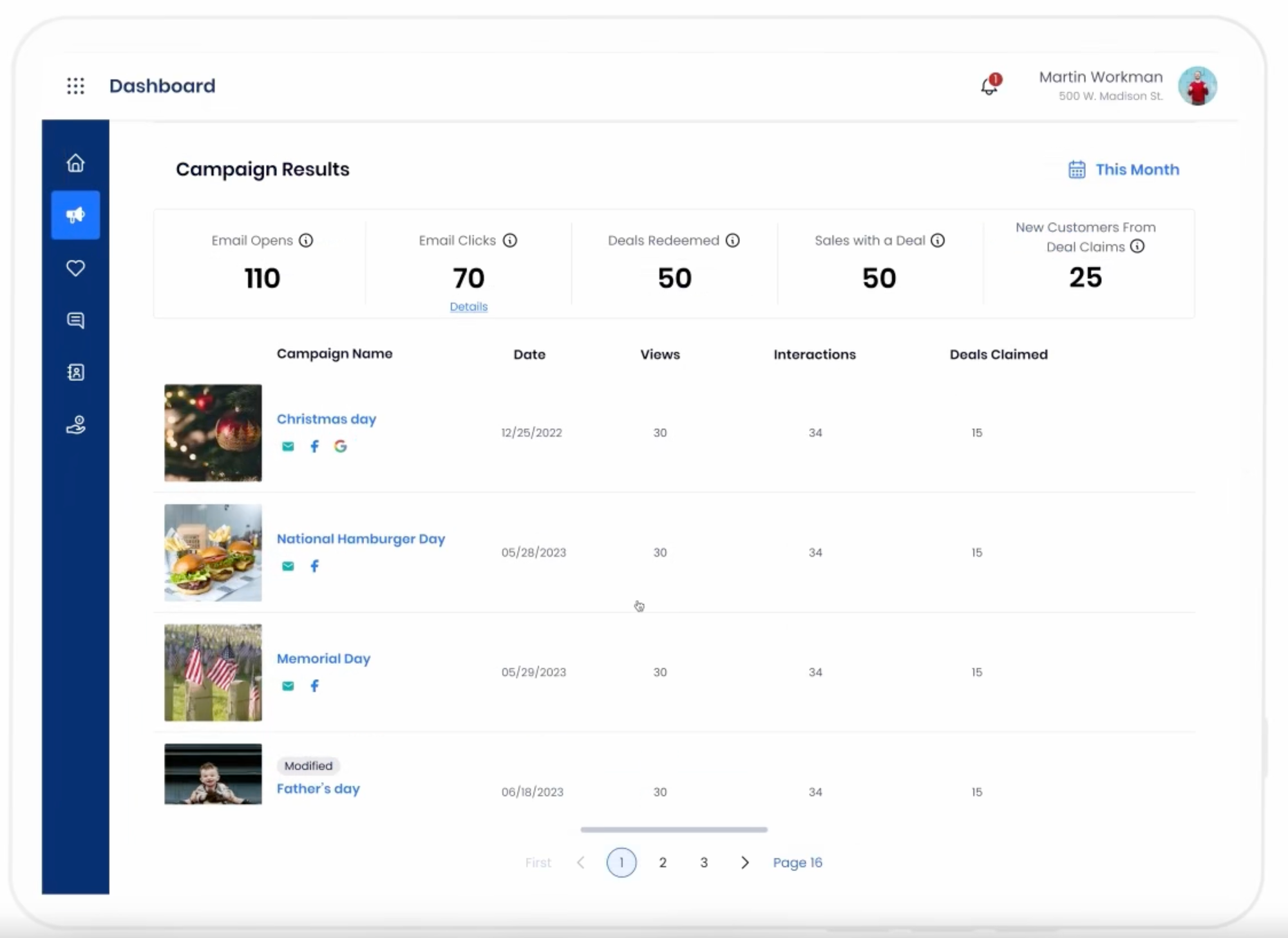
Focus on these important restaurant marketing metrics to see what’s working
You don’t need a dashboard full of numbers to understand performance. A few core signals usually tell the story.
Focus on metrics tied to real outcomes, such as:
- Orders over time (not just spikes from promotions)
- Repeat order rate or frequency
- Direct versus third-party order ratio
- Email or SMS engagement tied to actual orders
- Review volume and sentiment trends
Vanity metrics like likes or impressions can be useful for context, but they don’t mean much on their own. If a metric doesn’t connect back to orders, revenue, or retention, it shouldn’t be a priority.
Test small before making big changes
Testing for improvements doesn’t mean complex experiments or massive overhauls.
The easiest and most cost-effective way is to test small with one variable at a time. Change an offer, update messaging, improve visibility in one channel, or adjust timing, then give it enough time to see what happens.
For example, if you update your Google Business Profile photos and ordering link but change nothing else, you can clearly see whether improved visibility leads to more clicks and orders.
By avoiding changing multiple things at once, you’ll have a clear understanding of what made a difference.
Use your performance data to double down on what’s working
Once you start seeing what works, lean into it. If guests respond well to a particular type of post, promotion, or message, do more of that. If something falls flat, don’t be afraid to remove it.
Over time, this feedback loop helps your marketing become more focused, more efficient, and easier to manage.

What to focus on when time and budget are tight
You don’t need a massive team or a big ad budget to market your restaurant effectively. In fact, most restaurants see better results by doing a few things consistently than by trying to do everything at once.
If you’re short on time or money, the key is to prioritize high-impact actions and build from there.
Start with the essentials, not the trendiest tactics
It’s easy to get distracted by new tools, platforms, or advice that promises quick wins. But the basics are where consistent results come from.
Focus first on:
- A clear, accurate Google Business Profile (leverage local SEO tactics)
- An easy-to-navigate restaurant website with an up-to-date menu
- A simple way for guests to place direct online orders
- One or two social media platforms you can realistically maintain
Before adding campaigns or promotions, get the foundation right. Marketing works best when it’s built on solid fundamentals.
How to think about marketing spend without over-committing
Marketing spend shouldn’t feel like a gamble.
Instead of locking into long-term commitments, think in terms of small, controlled investments. Spend where you can clearly connect effort to outcomes, and avoid pouring money into channels that are difficult to measure or adjust.
If you can’t explain why you’re spending money on something, or what a successful outcome looks like, it’s probably not the right place to start.
Why sequencing your efforts beats stacking them
One of the most common mistakes restaurants make is stacking tactics too quickly.
They add social posts, promotions, emails, ads, and new tools all at once, hoping something sticks. The result is scattered effort and unclear results.
A better approach is sequencing. Focus on one area, get it working, then layer the next piece on top.
For example:
- Nail down your online presence (website, direct online ordering, menu, listings)
- Improve your in-store and digital guest experience
- Start capturing emails and phone numbers
- Launch basic email marketing or loyalty campaigns
- Add targeted advertising if and when it makes sense
This approach builds momentum instead, and you avoid getting overwhelmed by trying to do too many things at once.
Measurement helps you avoid wasted effort
When you’re pressed for time, tracking what works is the best way to avoid burning energy on things that don’t.
Focusing on a small number of meaningful signals helps you see what’s actually contributing to orders and repeat visits.
When something isn’t working, data gives you permission to stop. When something is working, it tells you where to double down.
That feedback loop is what keeps marketing focused, efficient, and sustainable over time.
The most common restaurant marketing mistakes (and how to avoid them)
Most restaurant marketing mistakes don’t come from laziness or bad intentions. They come from pressure and the urge to do something fast.
The problem is that certain choices feel productive in the moment, when in reality they’re undermining long-term results.
Letting third-party platforms own the customer relationship
Relying heavily on delivery apps or marketplaces makes growth feel easier in the short term, but it comes with a long-term cost: you don’t own the relationship.
When the platform controls customer data, follow-up, and visibility, you’re forced to keep paying to reach the same people again.
How to avoid it:
Use third-party platforms to increase reach and discovery, but prioritize channels where you own the relationship, like your website, direct ordering, email, and SMS.
Treating social media as the entire marketing strategy
Social media often gets mistaken for “marketing” because it’s visible and easy to measure at a surface level.
The issue is that posting consistently doesn’t automatically lead to orders. Without strong discovery fundamentals, clear conversion paths, and retention tools in place, social media becomes noise instead of leverage.
How to avoid it:
Use social media to build familiarity and trust, but it’s only one channel in your marketing system. It can’t fix problems with discoverability, conversion, and repeat business.
Discounting too often instead of building long-term value
Discounts can drive short-term spikes, but overuse trains customers to wait for deals instead of building consistent ordering habits.
Frequent discounting also makes it harder to communicate value, protect margins, and encourage repeat behavior without incentives.
How to avoid it:
Use discounts intentionally and sparingly. Focus more on convenience, consistency, and experience, things customers will come back for even without a promotion.
Chasing new customers while ignoring the ones you already have
Many restaurants pour their time and energy into getting new customers through the door, even though repeat customers are easier and significantly more cost-effective to reach.
When retention is ignored, marketing becomes a constant cycle of replacement instead of growth.
How to avoid it:
Treat the first order as the beginning of the relationship, not the end. Make it easy for customers to come back through direct ordering, thoughtful follow-up, and consistent experience.
Trying to do everything at once without a clear priority
Adding new tools, platforms, and tactics all at once is one of the fastest ways to create confusion and burnout.
When everything is a priority, nothing gets done well—and it becomes impossible to tell what’s actually working.
How to avoid it:
Sequence your efforts. Focus on one area at a time, get it working, then layer on the next. Fewer things done consistently will always outperform scattered effort.
Frequently asked questions about restaurant marketing
Still have questions about restaurant marketing? Here are a few frequently asked questions.
Do small restaurants really need marketing?
Yes. Small restaurants need marketing because customers compare all restaurants online before deciding where to eat—size is irrelevant.
Restaurant marketing isn’t about running ads or constantly posting. It’s about making sure your restaurant is easy to find, easy to evaluate, and easy to choose through search results, maps, reviews, menus, and ordering links.
For small restaurants, marketing is often about clarity and consistency more than promotion.
What type of marketing works best for restaurants?
The most effective marketing connects discovery, conversion, and retention. That usually means a combination of local SEO, updated business listings, strong visual content, and channels that let you keep in touch, like email or SMS.
The goal is to help people find you, trust you, and remember you when it’s time to eat.
How much should a restaurant spend on marketing?
There’s no single “right” answer, but 3–6% of monthly revenue is a reasonable starting point for most restaurants.
If that number feels high, it’s okay to start smaller, as long as your time and money are going toward actions that build long-term value, not just short-term boosts.
Is social media enough for restaurant marketing?
No. Social media is helpful, but it can’t carry your entire strategy. It’s great for visibility and brand reinforcement, but it’s limited by algorithms and rarely drives retention on its own.
The strongest marketing strategies treat social as one part of a larger system that includes your website, online ordering, reviews, and direct communication with guests.
How long does it take for restaurant marketing to work?
Restaurant marketing works on different timelines depending on the effort.
Some improvements, like fixing search visibility or ordering links, can lead to results quickly. Other outcomes, such as increased repeat customers and loyalty, take longer and depend on consistency.
In most cases, restaurant marketing works gradually, not overnight, and improves as efforts build on each other.