

If you've spent the last few months trying to fill your executive chef role and you're still coming up empty, you're not alone. Restaurant owners and managers across the country are telling me the same thing: the candidates simply aren't there the way they used to be.
There's a reason for that, and once you understand it, you can build a smarter approach to finding your next chef. Below, I'll walk you through how I'd tackle the search if I were in your shoes, along with a few signs that it may be time to bring in outside help.
Why the executive chef search got so much harder
Consider who would be stepping into an executive chef role today. In most cases, that's someone who was a sous chef five or six years ago. When COVID hit, sous chefs were earning a dollar or two above minimum wage. When restaurants shut down, much of that talent left the industry for good; they couldn't afford to wait it out.
Only the most passionate, diehard cooks stayed. As a result, the chefs still in the industry today tend to be older and more established, and many of them are looking for stability rather than a bigger, more demanding role. The up-and-coming chefs who would normally be filling executive chef seats right now were hit hardest, and that pipeline still hasn't recovered.
That's the backdrop. It's a tight market, and it calls for a more deliberate search.
How to find your next executive chef
Start with the people you already have
Before you post a single job ad, look inward. Talk to your current team. Your employees are your best source of referrals, especially if you're a good place to work. They know other cooks and chefs, and they'll vouch for you in a way no job posting ever could.
Also consider who's already on your payroll. I regularly hear from operators who say they need a new executive chef because no one on their current team is ready to step up. That's worth sitting with for a moment. If you're not developing your own people, you're left depending on someone else having done that work for you. Thinking longer term about internal growth pays dividends here.

If referrals and internal promotions don't get you there, job platforms like Indeed and LinkedIn are a reasonable next step. Culinary Agents can work well for upscale and fine dining roles specifically, though the candidate pool there is small. Just know that job ads reach only 10 to 15 percent of the candidate pool: the people actively job hunting. The other 85 to 90 percent, the people who are already doing great work somewhere else and are not looking for a new job, will never see your posting. Reaching them takes real effort: networking, direct outreach, and patience. It's the kind of work recruiting agencies are built to do, but if you have the time and persistence, you can make progress on your own as well.
Market the job the way you market your restaurant
You already think carefully about your target guest: who they are, what they want, what price point fits, what experience you're delivering. Apply that same discipline to your key hires.
Ask your current employees why they stay. You might be surprised by the answer. Whatever it is, that's your pitch, and it should show up in your job description. Common selling points include:
- Low turnover and stability, which often signals strong leadership
- Competitive salary and performance bonuses
- Creative control over the menu or seasonal specials, and possibly a path toward greater ownership of the menu over time
- Reputation and prestige: awards, reviews, standing in the local dining scene
- Training and development: wine and food education, management training, promotion from within
- Partnership or equity potential down the road
- Consistent scheduling and reasonable, even favorable, hours (weekends off and daytime shifts are particularly compelling)
- Strong company culture and leadership
- Benefits like health insurance and paid time off; a 401(k) and more than two weeks of vacation puts you ahead of most competitors
- Stability and job security
For chefs specifically, creativity tends to matter most. If you're a single-unit operator with thin margins, you likely can't compete on salary, so lean into what you can offer: a genuine say in the kitchen, better hours, or a strong day-to-day culture. And if you can't offer growth or promotion potential, be honest with yourself that you're likely a stepping stone for most hires. That's fine, as long as you plan around it and accept that people will eventually need to move on for their own career growth.
Evaluate candidates the right way
Look past the resume
A culinary degree is a plus, but it's rarely a requirement. Plenty of strong chefs build their skills in respected kitchens rather than through formal culinary school, including chefs who go on to earn Michelin stars.
What I pay closer attention to is motivation and mindset, along with where a candidate has worked. The chefs who succeed long term are the ones with humility and a genuine learning orientation: people who take feedback well and adapt to your restaurant's concept. Ask candidates directly what's driving their search and what they're hoping to find. Their answer will tell you a great deal about whether the fit is right.
Where they've worked also offers clues about the training they've received and the caliber of cuisine they're capable of producing.
Questions that reveal who you're really hiring
A good interview question does more than fill silence. It tells you who you're actually hiring. A few worth borrowing:
"Why the restaurant industry? What makes you want to build your career here instead of somewhere else?" This reveals whether someone is running toward hospitality or simply staying in it by default, and it surfaces what actually drives them: people, food, leadership, growth, or just a paycheck. Make sure the answer aligns with the type of chef you're searching for.
"Walk me through the numbers you review every week, and what they tell you." A strong chef should be fluent in more than food cost. Listen for labor percentage, sales, EBITDA or profit, and guest counts. If food cost is the only figure they can discuss with confidence, they may not be operating at an executive chef level.
"Who have you promoted in the last two years, and how did you develop them?" This is one of the best questions for identifying a leader who genuinely builds people up rather than simply managing them. If they can't name anyone, take note.
"Imagine you're stepping into a kitchen with declining sales, high turnover, and rising labor costs. What's your plan for the first 90 days?" This reveals how they think strategically, not just how they cook.
"Tell me about a significant mistake you made as a manager, and how you handled it." The goal is to see whether they can acknowledge a mistake and take ownership of it. Listen for accountability rather than excuses, and don't judge them harshly for the mistake itself; everyone makes them. If they can't recall one, or reach immediately for blame, they may struggle to take ownership of what happens in their own kitchen.
You don't need to ask all of these in a single sitting. Choose the few that matter most to your kitchen and let the conversation breathe.
Always run a stage before you say yes
Once you believe you've found the right person, don't skip the stage (sometimes called a trail). Have the candidate work a shift, or half a shift, or shadow someone on your team. It's the best way to see how they connect with your staff and whether the fit is real rather than simply convincing on paper. Set clear expectations going in so the candidate knows what to expect and has a genuine opportunity to interact with the team or work the line. Keep in mind that in many states, you're required to pay the candidate for the stage if the work performed actually affects guest service.
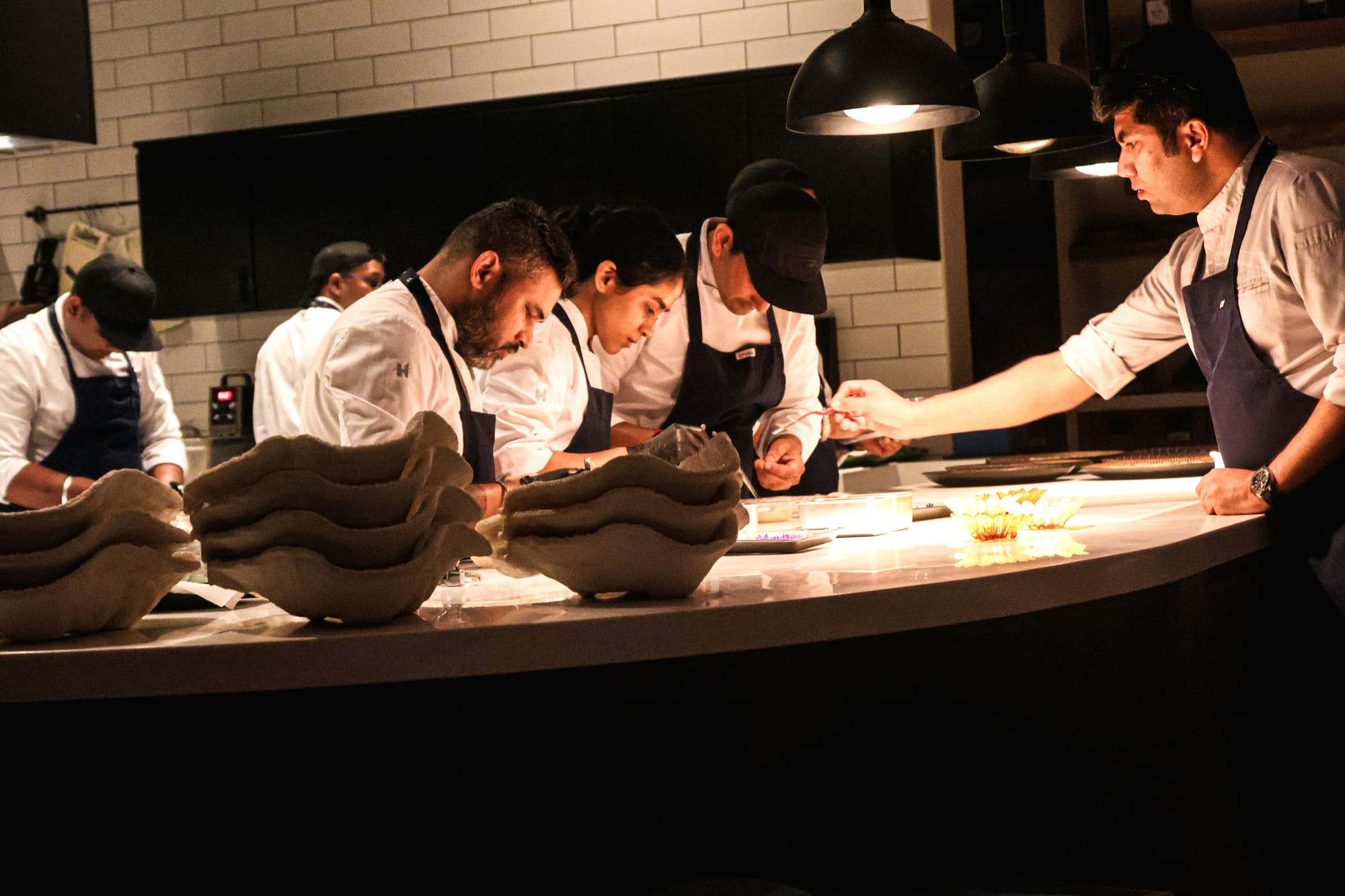
For an executive chef specifically, you should also conduct a tasting before finalizing the offer. Ask the candidate to prepare a set number of dishes, and give them clear parameters upfront: cuisine or concept, available ingredients, dietary considerations, and number of tasters. The goal isn't to stump them; it's to see what they can produce when given the right context. A tasting will tell you far more about a chef's instincts, technique, and fit for your kitchen than any interview question could. And if time is limited, simply visit their current restaurant (you can let them know in advance if you'd like to see them at their best) and try the food yourself.
Check references
Ask for former direct managers you can contact for references. You can do this before extending an offer, or make the offer contingent on the references checking out. It takes only fifteen to thirty minutes and can save you considerable heartache down the road.
Close the hire without burning bridges
Handle candidates carefully if you know their current employer
If your top choice already works somewhere you have a relationship with, be upfront. Tell the candidate they have the offer, then ask whether it's acceptable for you to reach out to their current employer to arrange a smooth transition. Most candidates appreciate the transparency, and it helps avoid burned bridges in an industry where everyone knows everyone. Plan on two to four weeks of notice as the norm.
Watch for hesitation
Even after an offer is accepted, pay attention to how the candidate talks about the move. The hires that tend not to work out are usually the ones where the person had real reservations but took the job anyway. Once they're in the role, they may begin looking for reasons to confirm they made the wrong choice. It's worth reminding them why you hired them and the future you envision for them at your restaurant. Change is uncomfortable, even when it's the right move, and a little reassurance early on goes a long way.
When it's time to call a hospitality recruiter
You can absolutely run this process on your own. But a few clear signs suggest it may be time to bring in a specialist:
- You've been searching for three months or more with no real traction.
- You need someone in place within two months. Between sourcing, interviewing, and notice periods, that timeline is difficult to manage alone.
- You're seeking a very specific background: a particular cuisine, Michelin experience, or a candidate willing to relocate.
- You have more open roles than you can fill on your own without straining the business, since recruiting most often falls to your leadership team.

When you do reach out for help, make sure it's a hospitality-focused recruiter, not a general corporate one. A corporate recruiter can fill a financial analyst role or a marketing manager position, but they lack the network, industry knowledge, and ability to evaluate quality of cuisine, level of hospitality, and restaurant concept that this kind of search demands. Restaurant recruiting is its own specialty, and even within it, the best agencies specialize further by segment, whether that's fast casual, upscale dining, or fine dining. That specificity matters when you're trying to find the right chef, not simply any chef.
Even with a recruiter, some searches remain difficult. Highly specific chef roles can take months to fill regardless of who's running the search. But a hospitality-focused recruiter brings a network and sourcing tools that can make a real difference when time isn't on your side.
A final word
Hiring your next executive chef deserves the same care you put into building your menu or shaping your guest experience. Start with your own people, be clear about what makes your restaurant worth joining, and don't rush the due diligence once you find someone promising. And if you get stuck, you don't have to go it alone.
About Stephanie Yee
Stephanie Yee is the founder and Managing Director of Willow Tree Recruiting, a hospitality executive search firm based in the SF Bay Area and active nationwide. Willow Tree partners with multi-unit restaurant groups across fast casual, upscale, and fine dining to fill chef, manager, and corporate hospitality roles.