

When trying to figure out how to increase restaurant sales, most restaurant owners automatically default to three ideas:
- Attract more customers
- Drive more orders
- Run promotions to gain momentum
That instinct makes sense, but it’s also where most restaurants hit a ceiling. Chasing volume can create short bursts of higher sales, but it rarely produces consistent, sustainable growth.
What actually drives long-term sales is tightening the systems behind the scenes: how guests find you, choose you, order from you, and come back again. When those systems are strong, growth doesn’t reset every time conditions change.
In this guide, we’ll walk through 15 strategies you can use to increase restaurant revenue over the long term. Each one focuses on strengthening the assets you already own, rather than relying on short-term tactics to generate sales.
Turn more online visitors into direct orders
If you don’t have a direct online ordering system and are instead relying solely on third-party platforms, your first step is to put one in place.
Until you control where diners place their orders, it’ll be challenging to increase restaurant sales consistently or improve profit margins.
WATCH: How to create online ordering for your restaurant (and increase profit)
Direct ordering gives you ownership over the guest relationship, the data, and the experience, which is the foundation for growing restaurant revenue long-term.
Once you’ve done that, ensure you implement these strategies.
1. Make your direct ordering link impossible to miss
When someone searches for your restaurant, it’s typically because they’re about to place an order. Make it incredibly easy for diners to find and use your link.
Too often, direct ordering links are buried on websites or overshadowed by third-party options, forcing guests to hunt for the right path or give up entirely.
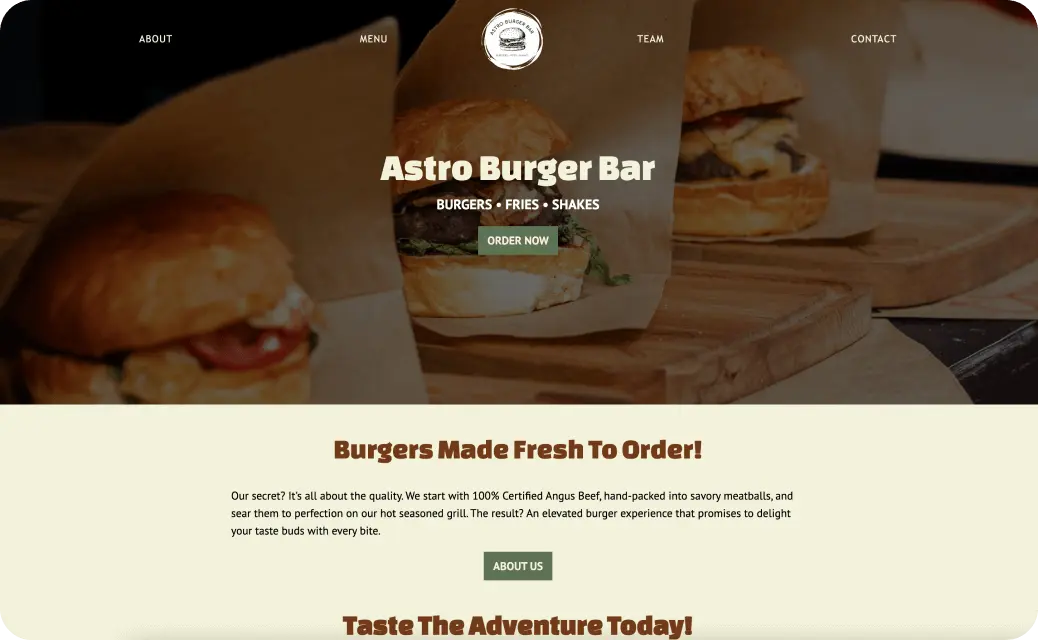
Your first-party ordering link should live everywhere diners already look:
- Social media bios
- Website header “Order Online” button
- Online menu page
- Loyalty program emails
- Promotional emails
And especially your Google Business Profile—this is where diners who are ready to order often search first, and if your direct link isn’t the most obvious option, diners will default to the fastest alternative—usually a popular third-party food delivery platform.
You can also remove third-party links from your Google Business Profile entirely if your goal is to keep diners on your direct channels.
When diners are presented with fewer choices, they’re more likely to take the path you control, helping you increase restaurant sales, protect profit margins, and build repeat business instead of handing it off to marketplaces.
2. Offer a smoother, faster online ordering experience
Once diners find your direct link, the next question is whether ordering actually feels easy. If your checkout is slow, cluttered, or confusing, people hesitate or fall back to a third-party app out of habit.
Creating an online ordering system that is clean and fast removes friction and directly impacts restaurant sales and takeout sales.
Start by simplifying checkout steps:
- Reduce unnecessary fields
- Minimize clicks
- Ensure modifiers are clear
- Make payment and confirmation feel effortless
Your menu should be organized for speed. Group menu items logically, use clear categories, and make it easy for returning guests to reorder favorites.
When direct ordering feels easier than using marketplace delivery services, diners naturally choose it. That shift helps boost restaurant sales, improves profit margins, and turns one-time orders into reliable repeat business without adding work for your team.
3. Use automated reminders to drive repeat direct orders
Most guests don’t stop ordering because they don’t like your food. It’s usually because they just simply haven’t thought about your restaurant business in a while.
Automated reminders help you stay top-of-mind without relying on constant promotions or manual outreach.
Email and text reminders work best when they’re tied to specific behaviors. For example, follow up after a first order, remind diners when their usual reorder window hits, or highlight favorites they’ve ordered before.
These notifications help encourage customers to come back and build repeat business without constantly handing out discounts.
Done well, automation turns one-time online ordering into predictable restaurant revenue, helping you boost restaurant sales while keeping your workload steady.
Increase check size with smarter menu strategy
Driving more sales doesn’t always require more volume. Small improvements in how guests are guided through your menu can have an impact on your average check size.
The following section focuses on using data, menu design, and staff suggestions to increase check size without feeling salesy to diners and without being too demanding for your team.
4. Train staff to offer natural, value-driven upsells
The trick to properly upselling diners is to make it feel like guidance, not a sales pitch. Guests are far more likely to say yes when recommendations are rooted in what actually sells well and complements menu items they’ve already ordered.
Start by using sales reports to identify high-performing, high-margin items that make sense as add-ons or upgrades. These are the recommendations staff should feel confident suggesting.
Sales data can also show patterns by server. If some team members consistently drive higher check sizes, look at what they’re doing differently.
Some staff members might need an extra hand with increasing sales, so keep an eye on the numbers to spot coaching opportunities.
Even minor improvements in how staff describe items or suggest pairings can lift average check size without slowing service or changing the guest experience.
5. Redesign your menu to highlight high-margin dishes
It’s time to stop thinking of your menu as a list of dishes and instead approach its design as a sales tool.
Menu engineering tactics can actively shape what guests choose by guiding diners toward more profitable dishes without changing prices or adding pressure.
Start your new menu design by placing high-margin dishes where eyes naturally land, using clear headings, spacing, and visual cues that draw attention without clutter.
This is about subtle guidance, not gimmicks. Diners should feel like they discovered the option themselves.
Bundling is another effective way to increase check size while delivering clear value.
Group complementary menu items together in a way that feels intentional, not forced, and price bundles to protect margins while simplifying the guest's decision.
When the menu makes it easy to see what’s popular and valuable, diners are more likely to spend more without feeling upsold.
6. Improve your photos and item descriptions to increase conversions
Photos and descriptions play a major role in what guests decide to order. Low-quality images or vague descriptions can cause uncertainty, even when the food itself tastes amazing.
Upgrading your photos, especially for high-value or high-margin signature dishes, helps those menu items stand out and makes diners feel confident in their choice.
Follow these guidelines to take the best photos yourself:
- Use natural light whenever possible (near a window)
- Keep angles consistent across all dishes
- Ensure portions are the same size as when served
- Use simple, neutral backgrounds
- Shoot multiple photos, pick the sharpest
Descriptions matter just as much. Specific, sensory language (like crunchy, tangy, creamy, etc.) helps diners understand what makes an item worth ordering, which can increase restaurant sales across both dine-in and off-premises dining.
When photos and descriptions do the heavy lifting, you boost sales without touching prices or adding pressure to service.
Strengthen guest retention through better customer experience
Long-term profitability and growth come from getting loyal customers to return again and again. It only takes a 5% bump in customer retention to increase profits by as much as 25%.
If you want to increase restaurant sales without constantly chasing new customers, retention has to be part of the plan.
This section focuses on removing friction, improving consistency, and creating experiences that naturally lead to repeat business and a more reliable restaurant revenue stream.
7. Fix friction points that frustrate diners
Most drops in customer satisfaction come from small, repeatable issues—not major failures.
Long waits, unclear pickup instructions, missing items, or inconsistent execution subtly push guests away, even if your food is on point.
Fixing these friction points is one of the fastest ways to increase restaurant sales through better retention.
Start by looking for patterns in reviews, comment cards, and guest feedback. If the same complaint keeps showing up, it’s a system problem, not a one-off. Addressing these gaps helps encourage customers to return and builds trust with existing customers.
Reducing friction also improves speed and consistency behind the scenes, helping you streamline operations while delivering a more reliable dining experience — which directly supports long-term restaurant revenue.
8. Build a simple loyalty program that encourages repeat visits
A loyalty program doesn’t need to be complicated to be effective. The goal is to give diners a clear reason to choose you again, especially when ordering direct.
Reward customers who order frequently with incentives that feel attainable and relevant, rather than discounts that are hard to track or maintain.
Keep the structure simple so it doesn’t add extra work for your staff. The easier it is for guests to understand and use, the more likely it is to influence behavior.
When loyalty rewards are straightforward and tied to repeat ordering, they help turn occasional visits into consistent revenue without creating operational headaches.
9. Deliver a seamless online-to-in-store experience
Your guests expect consistency, no matter how they interact with your restaurant. If ordering online feels disconnected from pickup or dine-in, customers can quickly become confused and frustrated.
Make sure your online ordering experience reflects how your operation actually runs. Pickup times, instructions, and menu availability should match what staff can consistently deliver.
When systems are aligned, dine-in customers and delivery customers move through the process with fewer questions and delays.
The foundation of making this work is clear communication. Make sure guests know exactly what to expect at each step, from order confirmation to pickup timing to how issues are handled.
When the experience feels predictable and well-coordinated, guests are more likely to return because they know the process will be smooth every time.
Boost visibility by optimizing your local online presence
Even the best-run restaurant can lose sales if diners never see your restaurant or can’t find accurate, trustworthy information when they’re searching.
This section focuses on strengthening your local visibility so hungry searches turn into real orders, not missed opportunities or lost restaurant sales.
10. Keep your business info, hours, and menu accurate everywhere
Accurate online information is one of the simplest ways to protect sales, yet it’s often overlooked because the details feel small.
Keep your business details accurate across all online listings, including Google, your website, social media, and map platforms (Apple Maps, Google Maps, Waze, etc.). This is the simplest way increase sales without changing your operations.
Even small mismatches (e.g street vs. St.) can lead to missed orders, negative reviews, and even impact how your restaurant ranks on search engines (more on that next).
Set a reminder to audit your listings at least once a month, or every couple of months, especially before and after the holidays.
Be sure to update and monitor your:
- Hours of operation and holiday closures
- Links to your online ordering and reservations page
- Menu items and prices to match what you actually serve
When guests know they can rely on what they see online, they’re far more likely to follow through with an order or visit.
11. Use local, relevant keywords to improve search visibility
Search visibility depends on how clearly your website tells Google who you are, what you serve, and where you are located.
This is where search engine optimization (SEO), or more specifically, local SEO, can directly improve sales in a restaurant.
The good news is that you don’t need to be an SEO expert to show up in local searches—you just need to leverage the language your guests are already using.
For example, instead of just saying “We serve brunch,” you might say, “Weekend brunch in downtown Austin” or “Best pancakes near Union Square.”
Think about how your local customers search on Google and use those phrases naturally throughout your site.
Focus on:
- Your neighborhood or city name
- Cuisine type ( “Peruvian restaurant in Chicago” or “Thai food Pasadena)
- Keywords like “takeout,” “delivery,” or “family-friendly”
This simple form of search engine optimization helps Google understand what your restaurant offers and who it should show it to—leading to more foot traffic and more sales.
For a deep dive into how to improve your SEO without needing to be a tech expert, check out our Guide to Restaurant SEO for Beginners.
12. Encourage more customer reviews
Customer reviews play a major role in both visibility and trust. A steady flow of recent feedback helps potential diners feel confident choosing your restaurant and sends strong signals to local search platforms.
The key is asking at the right time.
Train your team to ask at natural moments, like when handing over a receipt or to-go bag, and use automated follow-ups (email or SMS) for online orders while the experience is still fresh. Keep the ask simple and easy to complete.
Equally important is how you respond to reviews—both positive and negative.
Thoughtful replies show you value feedback and care about their experience, which strengthens customer satisfaction and improves local ranking signals.
Over time, consistent reviews build trust with future customers and reinforce local ranking signals to give you stronger visibility and ultimately, more revenue with added marketing spend.
13. Post fresh content on social media to stay visible
Visibility fades quickly if you’re not active. Posting consistently on social media keeps your restaurant top of mind for people who already follow you and helps you stay discoverable to new customers.
You don’t need to post every day, but you do need to post consistently. Focus on high-impact content that’s easy to create:
- Limited-time seasonal specials or new menu items
- Behind-the-scenes with staff (kitchen or bar)
- User-generated content from diners
- Short-form food-prep or plating videos
- Guest shoutouts, community events, or partnerships with local businesses
Once you’ve posted, engage with comments, respond to messages, and use location tags and hashtags to extend your reach. It shows you’re paying attention and makes your presence feel current rather than outdated or out of touch.
Regular, low-effort engagement helps maintain awareness and reinforces trust, making it more likely diners think of you when deciding where to order or visit next.
Increase speed of service to serve more guests
There’s a limit to how much sales can grow if service stays slow or disorganized. Removing operational drag creates room to serve more guests efficiently.
These strategies focus on tightening workflows so speed becomes a sales lever, not an operational bottleneck.
14. Reduce errors and delays by consolidating orders
When orders come from multiple channels, it significantly increases manual errors and slows down operations. Consolidating all incoming orders into a single system helps staff stay organized and reduces the risk of missed tickets or incorrect orders.
Order aggregation tools bring everything into one place so teams don’t have to juggle multiple tablets or workflows.
With a clearer view of what needs to be prepared and when, staff can move faster, communicate more effectively, and reduce mistakes.
Fewer errors and smoother handoffs translate directly into quicker service and the ability to complete more orders when the rush hits.
15. Streamline pickup and delivery processes
When orders stack up at the counter or drivers wait too long for food, it slows everything down and hurts the guest experience.
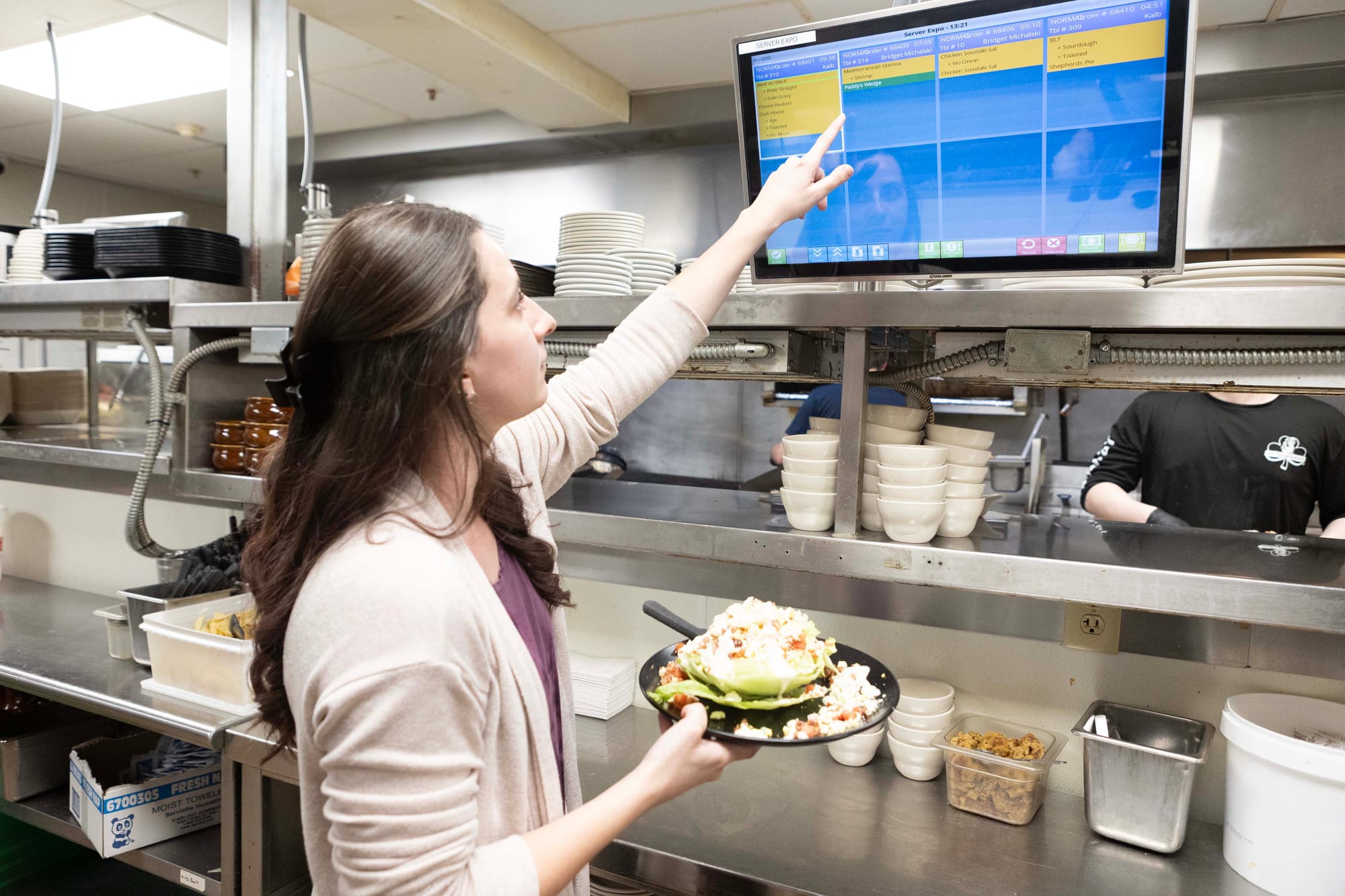
Smoother pickup and delivery starts with better kitchen communication and a staging system that keeps things organized and moving. That can include custom print routing to your kitchen printers from your restaurant point-of-sale, or even better, a kitchen display system.
Make sure every role in the handoff process is clear: who packs, who checks, and who passes it off.
Label bags clearly, separate delivery from pickup, and create designated zones for delivery drivers and pickup guests to avoid congestion and bottlenecks.
Simple improvements like these can:
- Reduce wait times and traffic jams during peak hours
- Improve order accuracy and guest satisfaction
- Increase capacity to handle more sales without sacrificing quality
A clean, fast pickup flow isn’t just good hospitality—it’s a smart way to drive repeat business and grow your bottom line.
Frequently asked questions about how to increase restaurant sales
If you’re looking for fast answers to questions about how to increase your restaurant sales, here are answers to the most frequently asked questions.
How can a restaurant increase sales without running promotions?
The most effective ways to increase sales come down to three things working together: making it easy for diners to find you, easy to order, and giving them a reason to come back.
That starts with strong local visibility—accurate listings, search-friendly website content, and an active presence where diners are already looking. If people can’t easily discover your restaurant or trust the information they see, they won’t reach the ordering stage at all.
From there, sales growth comes from tightening the systems behind the scenes and reinforcing repeat behavior. Clear direct ordering paths, low-friction checkout and pickup, menus that guide decisions, and simple loyalty incentives all compound over time.
Restaurants that invest in visibility, execution, and retention see steadier, more predictable growth than those relying on short-term promotions or traffic spikes.
How can I boost revenue without hiring more staff?
You increase revenue without adding staff by increasing output per shift. Faster ordering flows, fewer order errors, clearer pickup processes, and better kitchen coordination all allow the same team to handle more volume. When systems work together, staff spend less time fixing problems and more time completing orders.
What strategies help raise average check size?
The best strategies make it easy and natural for guests to say yes to spending just a bit more.
Train servers to recommend specific add-ons that feel relevant, like a wine or beer pairing with a dish. Feature bundled meals that offer real value, like a classic combo with a sandwich, side, and drink for one set price. On your menu, place high-margin menu items in prominent positions to draw attention and increase the likelihood of buying.
These small changes can raise your average check without making the guest feel upsold.
How can digital tools support my restaurant’s sales goals?
Digital tools support sales by reducing manual work and improving consistency. Direct online ordering systems, automated follow-ups, automated cost analysis, and review management help you respond faster, spot issues sooner, and keep guests engaged without adding workload. The result is a more predictable performance instead of reactive decision-making.
What encourages guests to return more often?
Guests return when the experience is consistent, and there’s a clear reason to come back. Reliable food and service set the foundation, but a simple loyalty program reinforces the habit. When guests know they earn something for repeat visits or direct orders, choosing your restaurant becomes the easy decision.
Loyalty works best when it’s easy to understand and easy to use. Paired with accurate online information, smooth ordering, and fast fulfillment, it turns repeat visits into routine behavior rather than a decision guests have to rethink each time.