
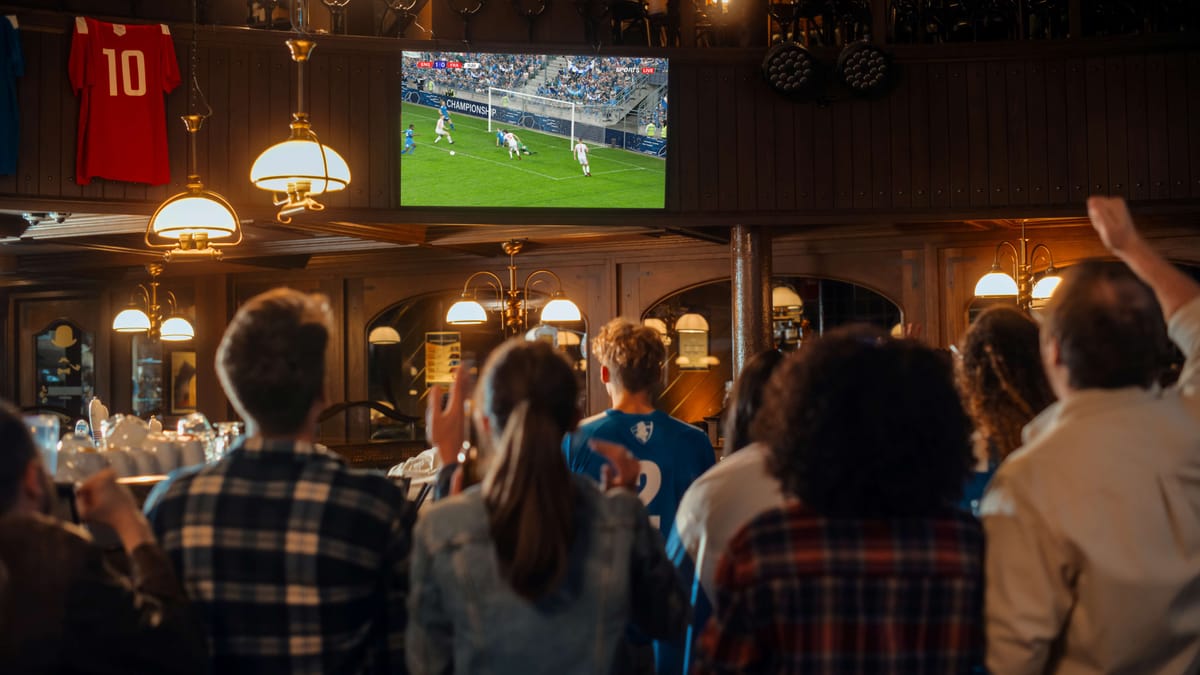
If you’re wondering how to prepare your restaurant for the World Cup, start here: treat it like a season, not a single event. The 2026 FIFA World Cup runs from June 11 to July 19, 2026 and spans 16 host cities across the United States, Mexico, and Canada, giving restaurants multiple weeks to drive dine-in traffic, off-premise sales, and repeat visits instead of relying on one big game-day spike.
Winning during the World Cup is not just about putting matches on a screen. It’s about planning for the right match windows, simplifying execution, promoting early, and making the guest experience easy from kickoff to checkout.
But first, the rules & restrictions
Like the Super Bowl and March Madness, the World Cup is a registered trademark with strict usage rights. As a general rule of thumb, follow these guidelines:
- Don't us the terms "FIFA World Cup," "World Cup," or "World Cup 2026" or any official logos, emblems, etc. in your marketing material. (At least, not unless you've gone through the process of getting authorization — more on that below.)
- Make sure you're only showing live matches, not a delay, recording, or edited broadcast.
- To be considered a "public screening" of televised matches, it needs to be free of charge. If you intend to run a ticketed event, you need permission.
For all the details, see FIFA's public viewing regulations here. If you need a public viewing license, apply on FIFA's Public Viewing Platform here.
With that out of the taken care of, here are five ways restaurants can get ready.
1. Build match-day specials around the way people actually watch
The best World Cup restaurant promotions are the ones your team can execute fast, consistently, and profitably.
Start with items that are easy to share, easy to upsell, and easy for the kitchen or bar to produce during volume spikes. Think platters, snack bundles, beer-and-app combos, pitchers, towers, family-style trays, and limited-time offers built around specific match windows. For off-premise demand, create pre-order packages that travel well and are simple to repeat throughout the tournament.
This is also the right time to tighten your menu. If a dish slows the line, creates prep complexity, or drags down margin, it probably does not belong on your World Cup menu. High-volume moments reward focus. The goal is not more choice. It is faster service, stronger contribution margin, and a clearer guest decision.
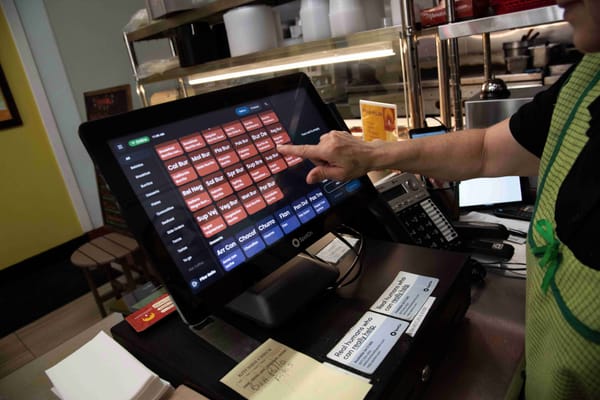
For operators leaning into takeout and delivery, this is where your tech partner can help. Start with pickup and delivery, tighten your online ordering menu to the most profitable and manageable items, and update your menus and hours in advance. With SpotOn Order first-party online ordering you can update your to-go menu and hours from the back office, which seamlessly updates your menu on Google with SpotOn’s Google Business Profile integration.
2. Market the tournament as a series
The World Cup gives restaurants multiple moments to bring guests back: opening matches, rivalry games, knockout rounds, semifinals, and the final. That makes the smartest marketing strategy a steady rhythm, not a one-time blast.
Promote early across social, email, SMS, in-store signage, reservation channels, and online ordering. Tell guests exactly what they need to know: when you’re opening, whether sound will be on, what specials you’re running, if reservations are available, and how to pre-order for groups. With SpotOn Marketing, you can use premade templates or create custom campaigns to promote your events and offers across channels.
The more specific you are, the more useful your marketing becomes. “Watch the World Cup here” is generic. “Open early for Saturday matches, group platters available, sound on for marquee games, order ahead for pickup” gives guests a reason to make a plan.
One important caution: as discussed at the top, keep your creative original. FIFA says use of its official marks requires permission, so avoid leaning on protected logos or official tournament branding in promotional materials unless you have obtained the rights to do so. Keep it general and focused on your brand.
3. Staff for peaks, not averages
Restaurant staffing during the World Cup should be built around spikes, not a flat weekly average. Some matches will drive weekday lunch traffic. Others will bring in after-work bar crowds, late-night groups, or weekend watch parties. Using your labor management tool to compare schedules with your POS data and adjust your staffing plan for smooth service. Look at likely high-opportunity windows and put your strongest people where speed matters most: host stand, bar, expo, runners, and any role tied to ordering and payment.
Training matters just as much as scheduling. Make sure your front-of-house team knows the promotions, the match schedule, and how to keep tables turning without making guests feel rushed. Make sure your back-of-house team is prepped for larger group orders and pre-orders before kickoff.
4. Make service easier for international guests, especially at checkout
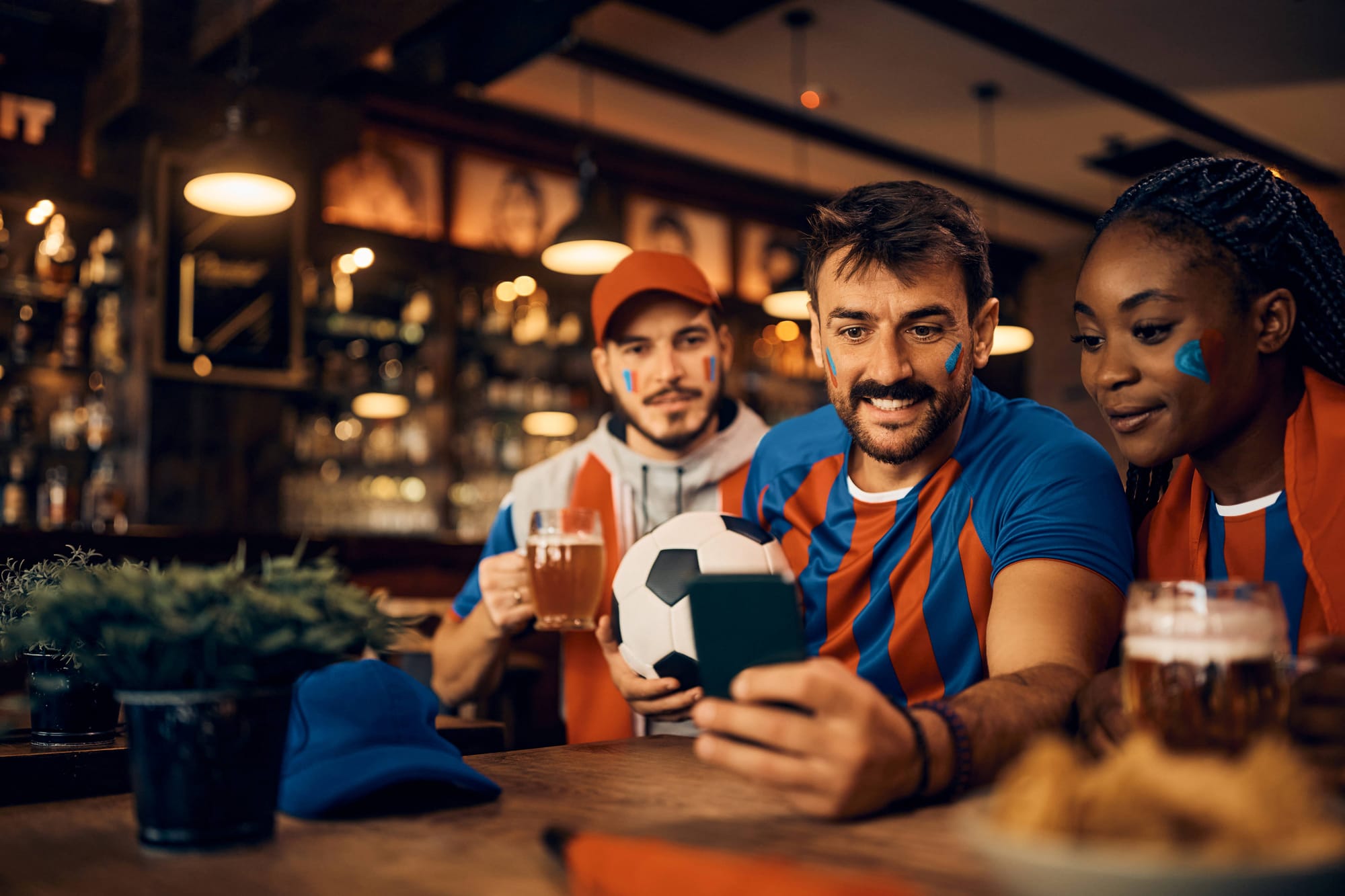
For many restaurants, the World Cup will bring in more international diners than usual, especially in host cities and nearby travel corridors. Small points of friction that regulars barely notice can become real pain points for guests who are less familiar with U.S. service norms.
Easy check-splitting on your restaurant POS, visible allergy information, simple menu descriptions, and staff who can quickly explain tabs, ordering flow, and payment options can remove friction fast.
Tipping deserves special attention!
Official U.S. travel guidance says tipping is common in restaurants, suggests 15 to 20 percent for a sit-down meal, and notes that some restaurants automatically add gratuity or a service charge for larger parties. By contrast, many European diners come from lower-tip cultures where rounding up or modest gratuities are more common.
That does not mean restaurants should lower expectations across the board. It does mean the payment experience should be more transparent. A few smart adjustments can help:
- Use clear tip prompts that feel understandable rather than aggressive.
- Make any auto-gratuity or service charge visible on menus and checks.
- Train staff on a simple explanation: gratuity is not included unless noted, and guests can choose an amount on the screen or receipt.
- In bars or faster-service settings, consider whether flat-dollar prompts may feel easier for international guests to process than high percentage presets.
5. Turn tournament traffic into repeat business
The restaurants that benefit most from the World Cup will not treat it as a one-off rush. They will use it to grow a larger customer base.
If guests are ordering online, joining a waitlist, booking tables, attending ticketed events, or signing up for offers during the tournament, make sure you have a follow-up plan. Consider offering an enrollment offer to get guests to sign up for your digital loyalty program. Use bounce-back offers, targeted email or SMS campaigns, and direct-order incentives to turn first-time match-day guests into repeat customers later in the summer.
This is especially important for off-premise sales. If tournament demand drives delivery and takeout volume, give guests a reason to come back through your direct channels next time. Use inserts or QR codes in third-party delivery orders to drive guests back to first-party ordering to cut marketplace commissions and capture guest data for future marketing.
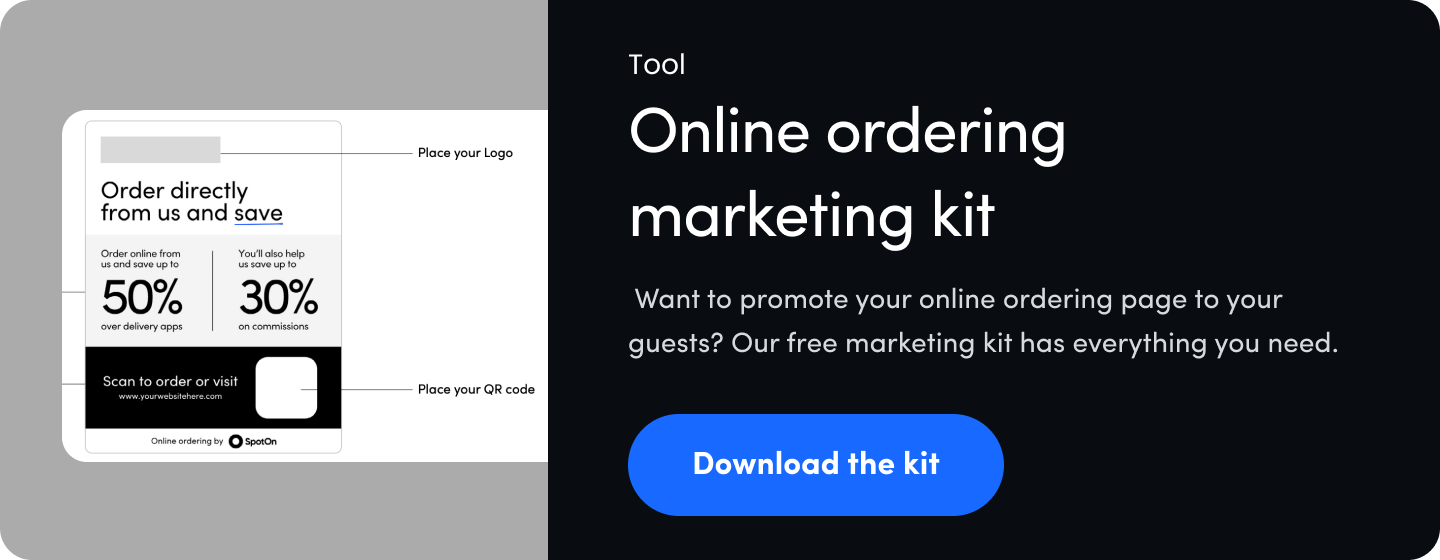
And once you’ve captured those guest details, do something with them. Use your restaurant customer database to stay in touch after the event, whether that’s another sports watch party, a limited-time offer, summer specials, or to drive traffic on slower days or meal periods.
The bottom line
The 2026 World Cup gives restaurants more than a marketing moment. It gives them a long runway to drive traffic, raise check averages, improve direct ordering, and create memorable guest experiences over multiple weeks.
The operators who get the most out of it will not be the ones trying to do everything. They will be the ones who simplify the menu, promote specific match-day experiences, train for international traffic, make tipping clearer, and use every match as a chance to bring guests back again.
That is how tournament buzz turns into real revenue.
FAQ
How can restaurants prepare for the 2026 World Cup?
Restaurants can prepare by building match-day bundles, planning labor around high-traffic games, promoting early across digital channels, reviewing tipping and payment flows for international guests, and creating follow-up offers that turn event traffic into repeat business.
What are the best World Cup themed promotions for restaurants?
The best promotions are easy-to-execute, high-margin offers such as shareable platters, beer-and-app bundles, pre-order catering packs, happy hour extensions around kickoff, and reservations or packages tied to marquee matches.
Can restaurants host World Cup watch parties?
Restaurants can host viewing events, but they should review broadcast, branding, and promotional rules before marketing them, especially if admission, sponsorship, or larger organized gatherings are involved. FIFA says its official marks require permission for use.
How should restaurants handle tipping for international guests during the World Cup?
Restaurants should make tipping more transparent by clearly labeling any service charges or auto-gratuity, using understandable tip prompts, and training staff to explain that gratuity is not included unless noted. U.S. guidance typically points to 15 to 20 percent for sit-down service, while many European visitors may be used to lower-tip norms.
What SpotOn tools are most useful for World Cup promotions?
Operators preparing for the World Cup are most likely to benefit from tools that help with direct online ordering, menu updates, marketing campaigns, labor planning, reservations or waitlists, handheld payments, and guest data capture for follow-up marketing, all of which align with the workflows SpotOn highlights in its own big-event restaurant playbooks.
DISCLAIMER: Everything here is just for informational purposes. The numbers, links, and graphics may not be accurate, and we encourage you to do your own research. Also, we can't guarantee results from following our advice. Always consult a professional for your specific situation.