

Food lovers and critics have long treated the Michelin star as the gold standard of the restaurant industry, a signal that a chef is doing something worth a special trip. But most restaurant owners and chefs don't fully understand what inspectors are actually looking for, or how a French tire company became the authority on outstanding cooking worldwide.
That ambiguity doesn't have to hold you back. You don't need to serve a 20-course tasting menu, or make life-changing nigiri sushi or an experimental calamari dish to earn a Michelin Star or land a spot on the Michelin Guide. What you do need is a clear picture of what the inspectors care about — and a kitchen that can consistently deliver it.
Spoiler: it all starts with high quality food and dedicated chefs.
What is a Michelin Star?
A Michelin star is an award created by the Michelin Tire Company to recognize exceptional quality cooking from restaurants in a specific city. According to the Michelin Guide, the organization recruits food professionals to evaluate restaurants anonymously and determine whether the cuisine meets the guide's standards.
A Michelin star is more than a good food recommendation, and it was never really about selling tires. It represents a memorable dining experience built on the skill and dedication of the chefs behind it. Even when a restaurant reaches for two or three stars, guide inspectors still put expertly crafted dishes first, before atmosphere, service, or prestige.
History of the Michelin Guide

It's easy to assume the Michelin Tire Company was just looking for a clever marketing vehicle, but the original goal was genuinely humble. The Michelin Guide was first published in 1900 as a practical resource for French motorists traveling the countryside. Drivers could consult it for instructions on changing a tire, finding a gas station, or locating a place to rest for the night. Even in those early editions, the guide included a list of restaurants worth a detour.
The first Michelin star was awarded to a French cuisine restaurant in 1926, and the three-star rating system was introduced in 1931. After a brief pause during World War II, the guide resumed and gradually expanded into an extensive resource covering restaurants and hotel sectors across more than three continents. In 2021, the Michelin Guide transitioned to digital publication, making it easier than ever for guests to browse restaurants by city, price range, and cuisine type.
If you're planning a trip to New York City, San Francisco, or Las Vegas during Restaurant Week, the Michelin Guide website is a good place to start.
How the Michelin inspection process works
The inspection process is more rigorous than most people realize. Michelin employs around 80 anonymous inspectors worldwide, all of them trained culinary professionals. These inspectors visit restaurants without revealing their identity, and their meals are paid for by Michelin, not by the restaurants themselves. That independence matters. It means no inspector owes a restaurant anything, and no restaurant can buy goodwill with a complimentary tasting menu.
After dining, inspectors file detailed reports. Those reports are then discussed collectively at annual "stars meetings," where inspectors debate and decide which restaurants receive or retain a star. It's a deliberate process, not a solo judgment call.
How to earn a Michelin Star
When awarding Michelin stars, inspectors aren't hunting for haute cuisine restaurants that charge $350 a plate. They're looking for food cooked with intention, confidence, and genuine respect for the guest experience. A Mexican restaurant that serves the best al pastor tacos in town can earn a single star just as easily as a formal tasting menu restaurant. What matters is what's on the plate and how consistently it gets there.
Five criteria for Michelin-starred restaurants
Michelin relies on five criteria to create a consistent standard for evaluating restaurants across the culinary arts. Because dining is inherently subjective, these five benchmarks give inspectors a shared framework for assessing whether a restaurant receives a star.
A restaurant can earn a star when its chef focuses on:
- Quality of ingredients
- Harmony of flavors and culinary techniques
- Value for money
- Expression of the chef's personality through the cuisine
- Consistency of the dining experience
This framework is deliberately open-ended, and that's a good thing for restaurateurs. Without rigid rules, Michelin leaves space for chefs to interpret the criteria through their own lens, their own cuisine, their own style. The goal is to reward restaurants that embody all five criteria at once, with originality.
1. Quality of ingredients
Quality of ingredients assesses the standard of the raw materials a chef brings into the kitchen. This sounds obvious, but you'd be surprised how many restaurants cut corners here. In an exclusive interview with former Michelin Guide inspector Chris Watson, he noted that local and seasonal ingredients make a meal feel unique and specific to that restaurant, even when neighboring kitchens are sourcing similar products.
Access to high quality food depends on your budget, location, and supplier relationships. Fresh lobster is a tougher line item if your restaurant is far from a coast. If you're working with a tight margin, our menu engineering worksheet can help you figure out where to invest and where to pull back.

2. Harmony of flavors and culinary techniques
If another chef can buy the same ingredients you're using, what's stopping them from making the same dish? The answer is technique. When a restaurant uses its ingredients to build something genuinely unforgettable, a Michelin inspector will notice. Culinary techniques are what separate a restaurant with a single star from one that's merely serving good food. The craftsmanship is what makes guests want to compliment the chef.
3. Value for money
Michelin stars have a reputation for going to expensive restaurants, but that's a misconception. Inspectors know that plenty of restaurants inflate prices to signal prestige without actually improving the food. What they're looking for is an honest relationship between what you charge and what you deliver. A Bib Gourmand award — one step below a star — actually highlights restaurants offering exceptional quality at an accessible price point, which underscores how much Michelin values value.
If you're working toward one or two stars, SpotOn's profit margin calculator can help you find efficiencies in your operation without sacrificing the quality that gets you noticed.

4. Expression of the chef's personality through the cuisine
A great meal doesn't happen in a vacuum. There's a chef represented in every dish, and Michelin wants to see that personality come through. What makes your Beef Wellington different from the one three blocks away? That individual creative voice — the way a chef's perspective shapes the food — is the element no inspector can teach and no competitor can copy. It can only come from experience and commitment to a point of view.
5. Consistency of food and dining experience
Any kitchen can have a great night. The question is whether it can do it every single night, for every single guest. Michelin inspectors understand that a restaurant receiving a star isn't a fluke, which is why consistency is central to how they evaluate restaurants.
SingleThread in Healdsburg, California is a three-star restaurant that illustrates this well. The restaurant inspects every local ingredient that comes through the kitchen to ensure consistent, exceptional quality, even as seasonal availability shifts throughout the year.
Different Michelin Star ratings
Michelin's three-star rating system recognizes restaurants that don't just meet the five criteria — they exceed them. Here's what each level means:
- One Michelin star means the restaurant offers high quality food that earns it a place among the very good restaurant picks in its city. It's cooking that's worth a stop.
- Two Michelin stars means the restaurant has excellent cooking worth a detour. A two Michelin star restaurant demonstrates a level of skill and complexity that goes well beyond the baseline.
- Three Michelin stars means the restaurant offers exceptional cuisine worth a special journey. Something is happening here that can't be found anywhere else.
Even when a restaurant receives no stars, the Michelin Guide highlights restaurants it considers worth knowing about, using other symbols and categories to signal quality. The fork-and-spoon "covers" system, for example, evaluates service, interior decor, and ambiance.
It's worth noting that when a restaurant receives a star, Michelin stars can lead to increased demand for reservations almost overnight, so operationally, earning one is as much a test of your systems as your cooking.
What is a Green Michelin Star?

A Green Michelin star is awarded to restaurants that champion sustainable gastronomy alongside culinary excellence. These restaurants actively reduce food waste, eliminate single-use plastics, and collaborate with local farmers, ranchers, and fishermen to minimize their environmental impact. Michelin introduced the Green Star in 2020 to make the point that culinary arts and responsible sourcing aren't mutually exclusive. Like the other Michelin accolades, the Green Star is an annual award.
What is a Bib Gourmand?
The Bib Gourmand is an award for restaurants offering great food at an accessible price. While a Michelin star highlights restaurants delivering a more complex or elevated experience, the Bib Gourmand highlights restaurants that consistently serve recognizable, quality food without a high price tag.
Michelin-starred restaurant examples
There's no single formula for earning a Michelin star. Michelin wants to find creative cooking worth a detour, across all price points, cuisine types, and service styles. These three restaurants show how different that can look in practice.
Cote - One Michelin Star
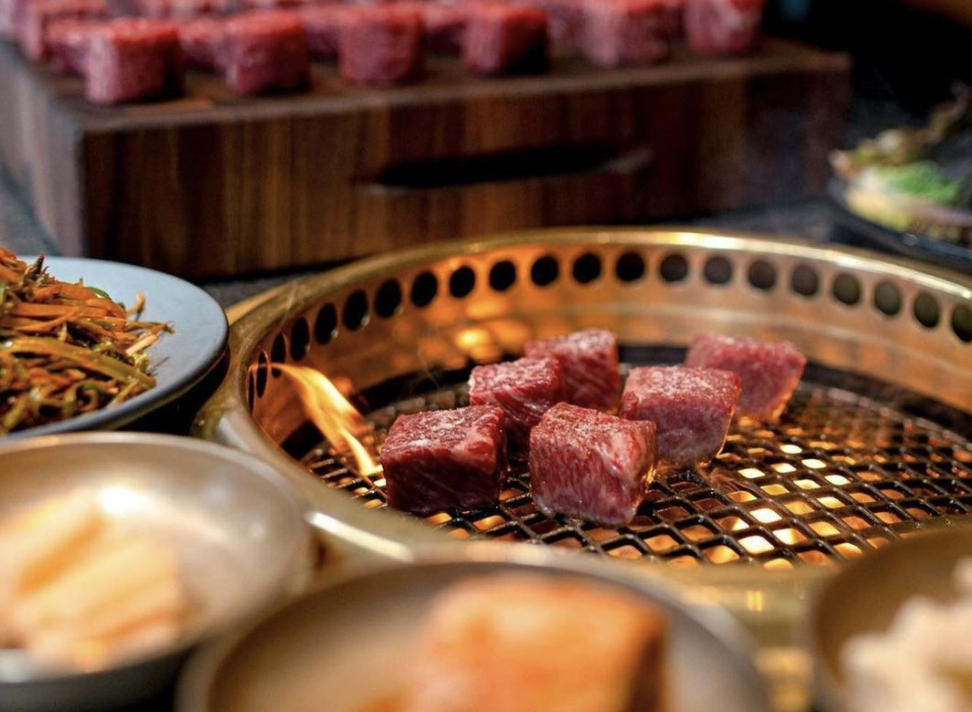
Cote, located in New York City, blends traditional Korean BBQ with the spirit of the classic American steakhouse. Guests are treated to premium-quality beef grilled tableside by expert service staff, with a menu built around quality and ritual. Cote is the first Korean BBQ restaurant to receive a Michelin star, and it earned that recognition by doing something specific exceptionally well.
Aquavit - Two Michelin Stars

Aquavit is a New York City restaurant that proves restraint can be just as powerful as complexity. The Nordic tasting menu is minimalist in presentation but exquisite in execution, with the Michelin Guide singling out how Aquavit transforms Scandinavian culinary tradition into something genuinely memorable. As a two Michelin star restaurant, it's the kind of place that rewards a detour.
SingleThread - Three Michelin Stars

SingleThread, located in Healdsburg, California, operates its own farm, offers five guest rooms for overnight stays, and draws its menu from Japanese cuisine and hospitality traditions. The restaurant grows 70% of its own produce without using municipal water, earning it both a three-star rating and a Green Michelin star. It's the definition of a restaurant worth a special journey, and a strong example of how sustainable practices and outstanding cooking reinforce each other.

Frequently asked questions
Is the Michelin Guide only for fine-dining restaurants?
No. Any restaurant can land a spot on the Michelin Guide if it serves high quality food consistently. The guide includes restaurants across a wide range of price points and cuisine types, and you can filter by both on the Michelin Guide website.
How many Michelin stars can a restaurant receive in a year?
A restaurant can receive one to three stars annually, not including the Green Michelin Star. If it meets the criteria year after year, it retains its rating. A restaurant can also lose stars if the head chef leaves or if the cooking that originally earned the recognition declines in quality or consistency.
Are Michelin stars annual awards?
Yes. Michelin inspectors evaluate restaurants on a rolling basis and award stars at different times depending on the region. The Green Star and Bib Gourmand are also awarded annually, on a slightly different schedule.
How do Michelin stars compare to other industry recognition, like the James Beard Awards?
The James Beard Awards are among the most respected honors in the American hospitality industry, often described as the "Oscars of food." They recognize chefs, restaurant industry professionals, and food media across a wide range of categories. Michelin stars, by contrast, focus exclusively on the food itself, evaluated anonymously by trained inspectors on a global scale. Both carry serious weight, and they measure different things.
Does the Michelin Guide cover hotels?
The Michelin Guide does cover hotel sectors in select markets, though it's primarily known for its restaurant reviews. The guide's expansion into hospitality reflects its broader goal of serving as a comprehensive resource for travelers — which, of course, is how it started back in 1900.