
Raise your hand if you've heard the phrase "surprise and delight."
It comes up constantly in both hospitality and tech. And I get it. It's catchy. It sounds like ambition. But I want to offer you a replacement: anticipate and deliver.
Less exciting? Maybe. More important? Absolutely.
I've spent most of my career moving between two worlds that look nothing alike on the surface: restaurants and software. Earlier in my career, I worked on the business side of several restaurant groups, including SingleThread and The Alinea Group. Finance and strategy, technically, though "numbers person" is probably the most honest job title. Today, I lead product strategy and several product teams at SpotOn, where we build point-of-sale and operational software for independent restaurants.
What I've learned, moving between these worlds, is that the principles behind a great hospitality experience and the principles behind a great product experience are essentially the same. Hospitality is designed, just like a product. The best products practice hospitality. And the thread that ties them together is empathy, specifically the act of anticipating someone's needs before they even know they have them.
What it looks like when it's done right
The best hospitality experience I've ever witnessed came from a team I used to work with at SingleThread, a three-Michelin-starred restaurant, farm, and inn in Healdsburg, California.
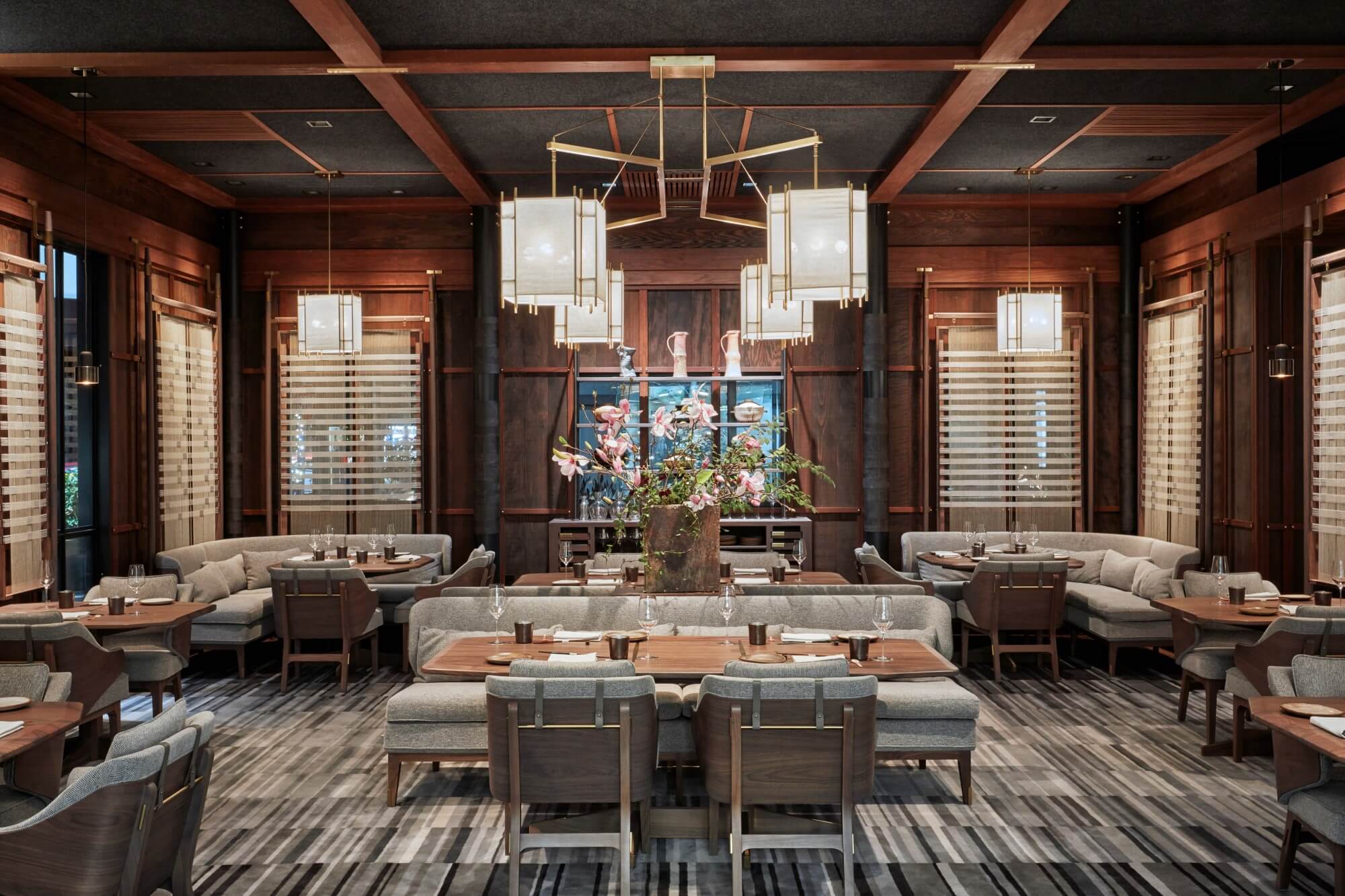
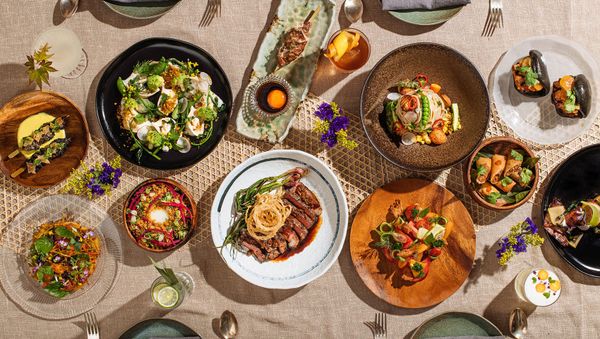
When you arrive for dinner, you'll notice a few things. The first thing you see when the door opens is a window into the open kitchen: chefs plating, steaming, moving. The host comes up and greets you by name. You're guided to your table, which is already set with handmade steel cups from Japan and your first course, called hassun. Throughout the meal, your wine glass never runs dry.
It's impeccable. And it's been impeccably planned.
Here's what you probably won't notice: that window into the kitchen exists so that before you even step into the dining room, you're face-to-face with the people who will take care of you. The host's greeting feels warm and personal partly because there are no screens in the entryway, no tablet, no device between you and a human being. The host knew your name because the team looked you up before service so they'd recognize you when you arrived.
Those handmade cups are so beautiful that guests naturally want to know where they come from. So they lift the cup to look underneath for a mark or a logo. The SingleThread team sets the cups so that when you lift one, the logo is already facing the right direction. You don't have to turn the cup around or crane your neck. A tiny detail. Almost invisible.
The hassun on the table when you sit down means your first moment in that dining room is one of discovery and anticipation, not waiting. And if the team notices that you're left-handed, your wine glass will quietly shift to your left side so that when you reach for it, it's right there.
By anticipating your needs and addressing them proactively, all of the little friction points disappear. You, the guest, can stay present. The meal really does feel like a flow state, because a whole team of people has thought of everything, so you don't have to think about anything.
That's the gift: presence. Real, uninterrupted presence. In a world full of constant pulls at our attention, that's genuinely rare.
The same thing happens in great products
When Netflix introduced the skip intro button, I felt seen in a way I didn't expect from a streaming platform. Yes, take me to the next episode. Please.
That button gets pressed 136 million times on a typical day, saving users a cumulative 195 years of time. It's a small feature. But the best products are built this way at their core: by anticipating what a user wants and putting it exactly where they'd reach for it.
At SpotOn, we think about this through the lens of what our product teams call the "job to be done." What is the person using this product actually trying to accomplish?
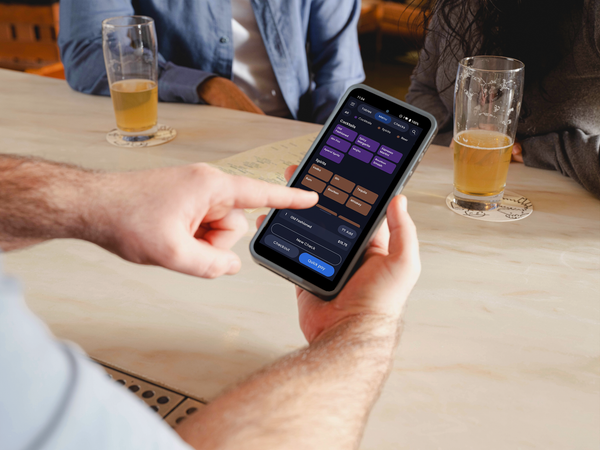
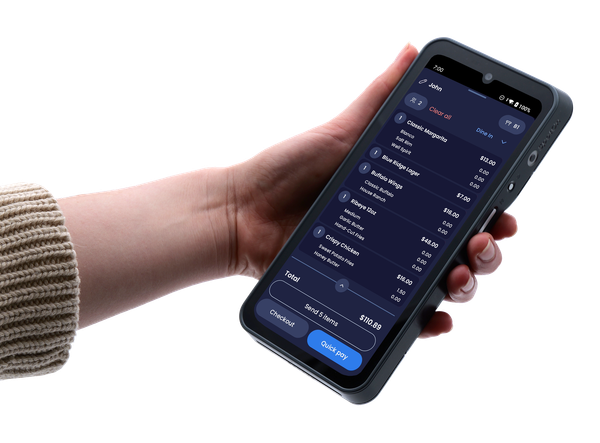
For a point-of-sale system, one core job is taking orders. A server has a guest's order and needs to send it to the kitchen, quickly and accurately, so they can get back to the table. That's it. That's the job.
So we design our POS platform for that purpose. Just like at SingleThread, where the wine glass is already where you'd reach, every button in our order-taking flow should be exactly where a server expects it to be. If we save a server five extra seconds per item, and they're punching in 500 items a night, that's nearly 45 minutes returned to them. Forty-five minutes they can spend with guests instead of fighting their technology.
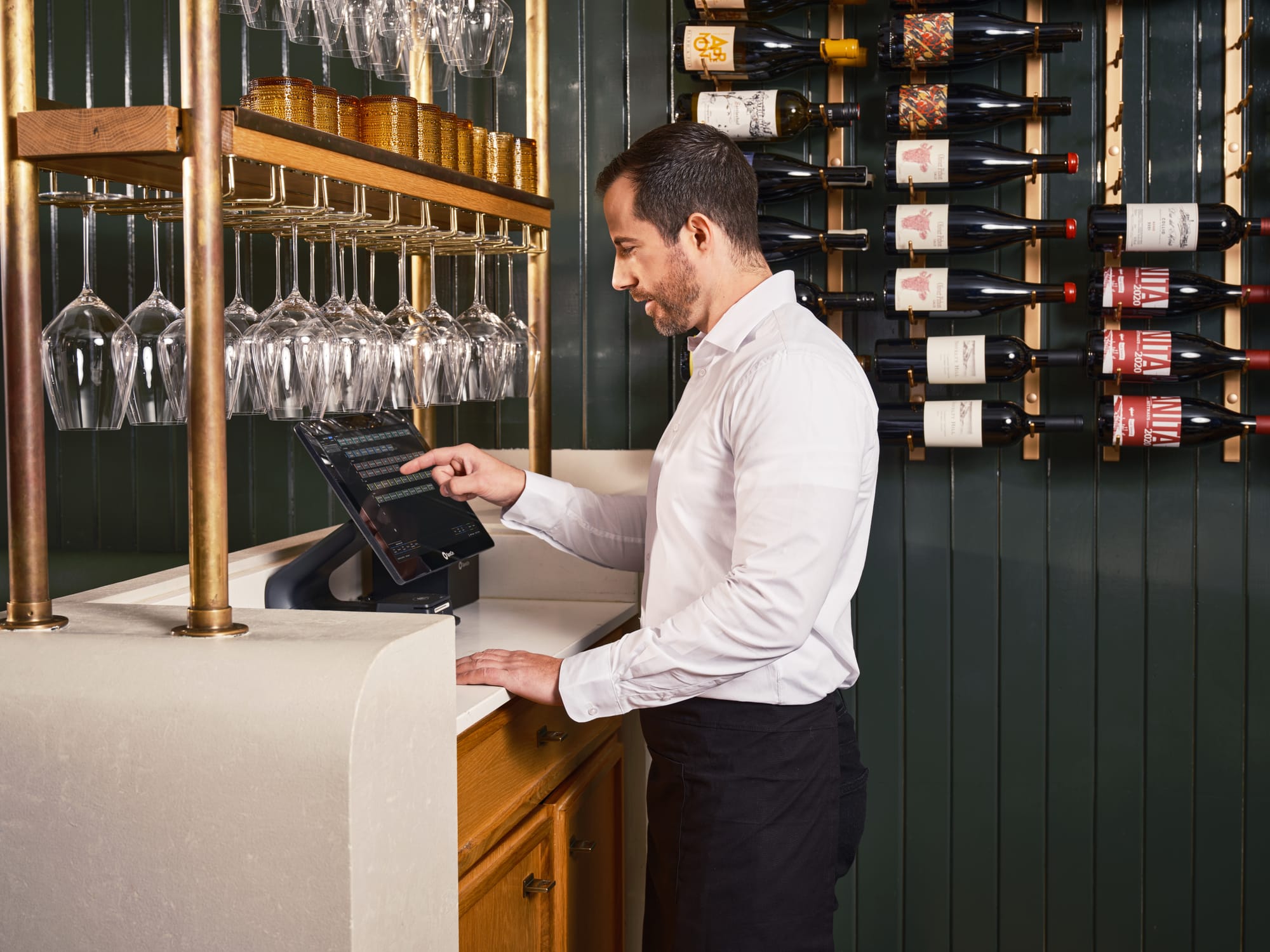
It's our obligation to anticipate what a server needs at 8pm on a Saturday, when the dining room is full and every second counts.
How you actually get there (hint: AI can help, but it can't feel)
There are no shortcuts here. Anticipating someone's needs takes time, focus, and genuine empathy for the person you're designing for.
When I was working on a restaurant opening, we spent days walking the space and mapping out how people would move through it. If we put the coffee bar here, how will guests know where to order? Where will the line form? Will it block the door? How will they find the bathroom?
When we build a new product at SpotOn, we ask the same kinds of questions. When someone lands on this page for the first time, where does their eye go? If they arrive with something specific to accomplish, can they find it quickly, or do they have to search? Does this button do what they'd expect it to do?
This process is fundamentally human, because we're building for humans. AI can speed up parts of it. It can help you test three versions of a design and learn which one performs better. But AI can't anticipate someone's needs, because AI doesn't have needs. It doesn't have empathy. It can reference data from humans who have needs and make increasingly good guesses. But guessing is different from understanding.
What makes humans capable of building great hospitality experiences and great products is that we can relate. All living beings have needs, but we have the unusual ability to think about our own experience and understand someone else's. Awareness of our awareness. I've been a guest in a restaurant, lost and wandering the dining room looking for the bathroom. I know how that feels. I've been on a software product, clicking around looking for a button I can't find. I know how that feels, too. And knowing how something feels is exactly what allows you to plan for it.
Why it's so hard to copy
When anticipating needs is done well, it's essentially invisible. You know you're being taken care of. You know your needs are being met. You just don't know exactly how. That invisibility is precisely what makes it hard to copy.
There is only one SingleThread. Not every software product is easy to use. Great hospitality and great product design are most noticeable in their absence.
The skill of empathizing with your guest or your user, identifying potential friction points, and solving for those in advance is one of the most valuable things you can develop, and one of the most transferable. Hospitality teaches it better than almost any other field. You learn it through practice, by walking a space, by watching how guests move, by sitting at your own product like a first-time user and seeing where you get stuck.
AI will keep getting better at augmenting this work. But the foundation, genuine human understanding of human needs, is something I think will remain distinctly ours for a long time.
Anticipate and deliver. It sounds less thrilling than surprise and delight. But it's a lot harder to pull off, and when you do, your guests and your users will feel it, even if they can't name it.
Want to hear Maddy unpack these ideas further? Watch her full talk below, and stay tuned for her upcoming podcast appearances this month.
WATCH: Hospitality as Product, Product as Hospitality
About Maddy Shannon
Maddy Shannon is Head of Product Strategy & Analytics at SpotOn. She spent the earlier part of her career in finance and strategy roles at some of the country's most acclaimed restaurant groups, including The Alinea Group and SingleThread. She holds a degree in applied mathematics and economics from Northwestern University and an MBA from Stanford Graduate School of Business.