
This summer gave restaurants a preview of what football season could look like. Bank of America estimated the FIFA World Cup boosted U.S. economic spending by roughly $20 billion, and Technomic projected a $1.9 billion incremental lift in foodservice sales across the tournament. And as SpotOn's World Cup report showed, the results varied by restaurant: some operators reported strong sales tied to match viewing, others saw a boost in foot traffic that didn't always convert to higher sales, and some markets saw traffic soften rather than surge. The World Cup was a one-time event, and one-time events are unpredictable.
Football season is already built into how millions of consumers plan their weekends, from NFL preseason in late August through the playoffs in January. Guests aren't waiting to see if they're excited about football. They already have a team, a couch, and a Sunday routine. The only question is whether your restaurant is part of that routine.
The operators who planned menus, staffing, and marketing in advance of the, instead of just turning on a TV, saw traffic convert into sales this summer. Football season runs five months instead of six weeks, which means more time to put that same planning in place, and a guest base that's already primed to show up.
The season itself has a shape worth knowing before you plan around it. The NFL schedule begins with the preseason and the Hall of Fame Game on August 6, college football kicks off August 29, and the NFL regular season starts September 9. From there, it runs through the College Football Playoff National Championship on January 25, 2027 and Super Bowl LXI on February 14, 2027. That's roughly six and a half months where football is giving you a reason to fill seats.
From menu planning to marketing, here's a playbook for turning that built-in demand into a full season of profitable game days.
1. Build your menu and inventory plan around the pre-kickoff rush

Every football game day has a predictable rhythm: a wave of orders in the 30 minutes before kickoff, then another at halftime. Build your prep and staffing around it instead of reacting to it once the rush hits.
- Simplify your game-day menu. Pick items that hold up for takeout and delivery, travel well, hold up under volume, and don't bog down your kitchen during the pre-kickoff crunch. If an item slows your kitchen down, or you can't source enough of it to meet demand on a big Sunday, pull it for game day. Update your online menu and hours to reflect it wherever guests are ordering from, including your Google Business Profile listing. SpotOn Order does both from your back-of-house settings, so a single update covers your site and Google at once, as well as the GoTo Place mobile app.
- Build shareable, one-price bundles. Applebee's built its NFL season menu around a $14.99 customizable appetizer sampler, with more than 80,000 possible combinations. Wingstop built three tiered meal deals for the season starting at $17.99, priced for hosting groups. You don't need a national ad budget to borrow the structure. For a single location, that could look as simple as a "game-day sampler for four" at one flat price, built from three or four items your kitchen already preps well, or a "bring the whole watch party" platter sized for six that's easy to scale up or down depending on the order. Before it goes on the menu, run the numbers to confirm the combination is actually profitable, not just popular. Menu engineering walks through how.
- Tie a promotion to a specific date. Chipotle ran a jersey-day promotion, offering a buy-one-get-one deal for guests who wore a college jersey after 5pm on a date tied to the start of the season. You don't need a chain-wide system to run the same play. Pick one date, your home opener, a rivalry weekend, or the day your team's colors match your dining room, and offer a simple discount for guests wearing a jersey, or a free appetizer for the first ten tables in team gear. One date, one rule, easy for your team to execute without extra training.
- Build a beverage program for groups: Watch parties change who you're selling to. A drink menu priced and portioned for one person at a time leaves money on the table when the person ordering is buying for six. Think through your beverage program the way you'd think through your food menu for game day: what's easy to share, what's fast to pour under volume, and what gets a host to add a drink order instead of skipping it. That means large-format options (beer buckets, pitchers, batched cocktails) sized for a table or a group, and it means not treating non-alcoholic guests as an afterthought. A specific mocktail or a large-format soda and lemonade option gives the designated driver or the parent with kids in tow something to order too, instead of nothing. Know your crowd, too. If your regulars skew toward a specific beer, seltzer, or regional favorite, stock to that instead of guessing from your everyday bar inventory. Once the program itself is dialed in, look at whether off-premise sales, sending beer or batched drinks home with a to-go order, make sense for your state's rules and your setup. This breakdown of building a profitable beverage program is a good starting point if you haven't audited yours recently.
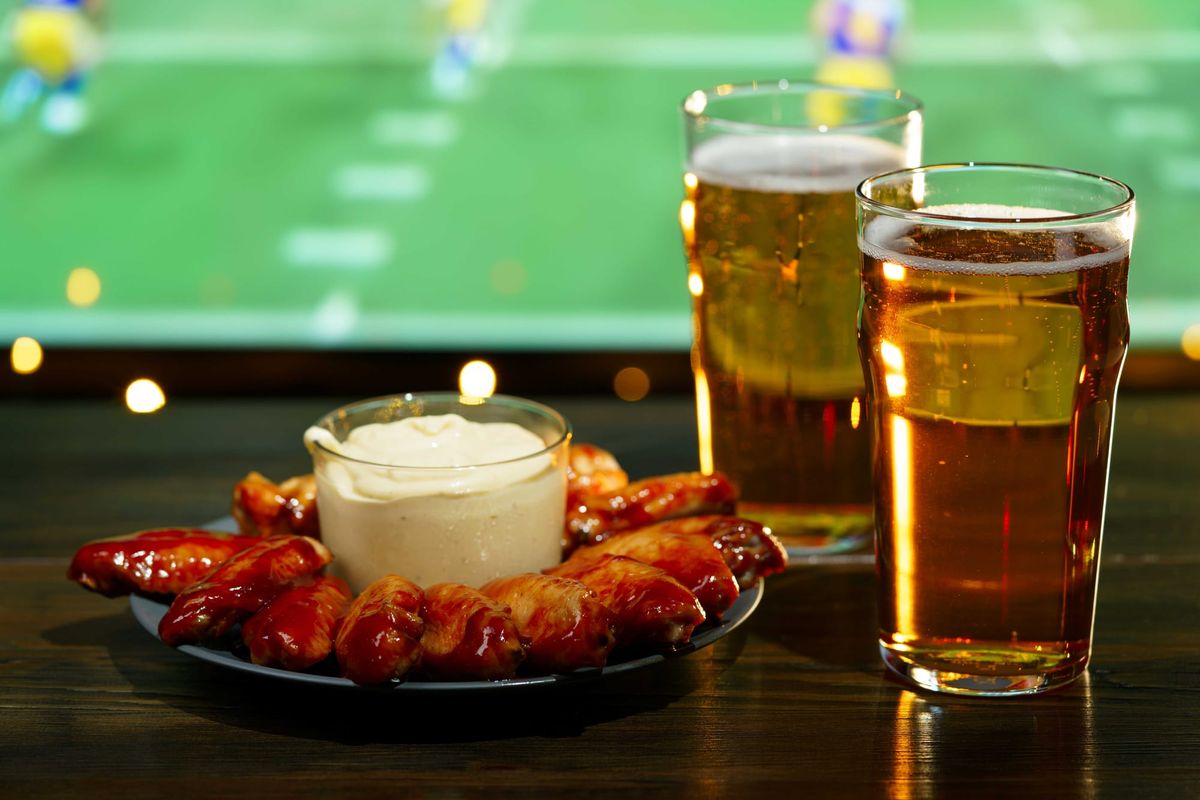
- Check your supply chain before the season, not during it. Figuring out how much extra beer, wings, and other finger foods to order starts with knowing what's tight before the season, not during it. Wings are the obvious one, given how far ahead national chains lock in supply, but the same risk applies to anything you're building a bundle around: specialty buns, a specific cut of meat, the sauce you can't sub without changing the dish. Call your distributor now, ask what's tight heading into football season specifically, and get a backup source or a substitute item lined up before you need it, not while a Sunday order is sitting unfilled.
- Sell in specific quantities, not vague ones. Guests hosting a watch party are doing mental math: how many wings for eight people, how much queso is enough, whether one order of nachos covers the table or they need two. A menu that answers that for them, "20-piece," "nachos for four," "party pack for six," sells more per order because guests order with confidence instead of under-ordering to be safe, and it gives your kitchen a production plan it can actually count on instead of guessing from an open-ended order. It also makes it easier to cap orders if an ingredient runs short, since you're managing units instead of an unpredictable stream of one-off requests.
- Keep the game-day menu tight on purpose. Fewer modifiers and one-off substitutions means less that can go wrong when the kitchen is buried, and fewer chances for a rushed line cook to send out the wrong order, which is where comps and refunds start piling up on your busiest, highest-revenue day. A tighter menu also caps how much specialty inventory you're carrying into the weekend and helps reduce food waste if a game has lower turnout than expected: order for the wing bundle and the sampler platter, not for every possible modifier a guest could ask for, and you limit what you're stuck writing off if demand doesn't hit exactly where you forecasted.
- Lean on the region, not just the roster. Game-day food is regional as much as it's football-specific: Food & Wine's look at tailgating traditions across the country shows how much variation there is between a Gulf Coast fish fry, a Midwest brat, and a Texas brisket plate. A menu special tied to your team's regional cuisine gives guests something they can't get from a national chain's version of game day, and it's a natural fit if your kitchen already has that cuisine down. Butcher Paper BBQ in Opelika, Alabama, does exactly this with Tailgate Specials built around Auburn game days, putting their own smoked barbecue in front of the exact crowd that's already planning to tailgate that weekend.
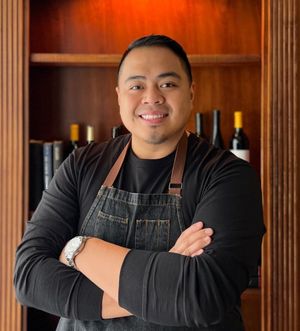
Football season is one of the biggest opportunities of the year for The Breakfast Brothers, located one mile from the stadiums. While they’re known for breakfast and brunch, their strategy is centered around creating shareable experiences. The restaurant continues to develop catering packages, family meal bundles, and food truck activations for watch parties, corporate events, and community gatherings.
Convenience wins. That's the biggest lesson owner Rickey Booker has taken from major sporting events.
"Guests want great food without sacrificing quality," he says, "so we're investing in efficient ordering technology, streamlined operations, and catering solutions that make game day easier to host." - Rickey Booker, Founder of The Breakfast Brothers
2. Staff and manage the floor for the crowd you'll actually get

A packed dining room only helps your bottom line if you have the right people in the right spots to handle it. Without staffing to match, a busy Sunday means longer waits, backed-up tickets, and guests who don't come back.
- Staff to the game, not the calendar. Figuring out how many extra staff to schedule and which shifts need your strongest front-of-house and back-of-house team starts with your own numbers, not a guess. Compare last year's football schedule against your sales data to see where you were understaffed or overstaffed, and build schedules around actual demand instead of guesswork, so a primetime NFL matchup or a playoff weekend gets a different plan than a Tuesday college game. If you haven't been tracking sales against your football calendar, your point of sale reporting should give you that history to pull from instead of guessing. Restaurant scheduling software can turn that history into the actual schedule. Staffing remains a real constraint heading into the season: the National Restaurant Association reports nearly three-quarters of operators plan to hire in 2026 but expect difficulty finding experienced staff, which makes forecasting your football schedule against your labor plan more important, not less.
- Manage the dining room instead of letting it manage you. Keep your host stand from turning into a bottleneck and keep waiting guests updated with real-time wait times instead of a crowd at the door. A digital waitlist and reservation system with text notifications handles both.
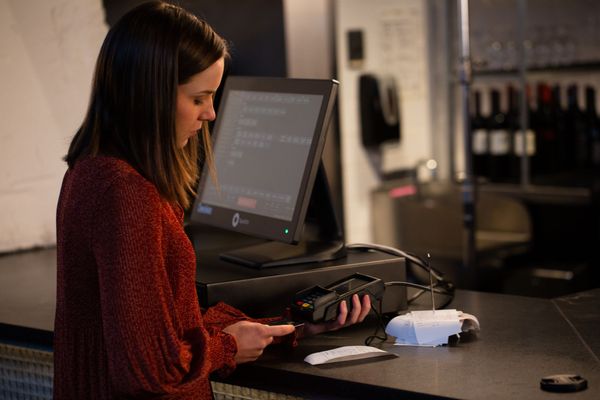
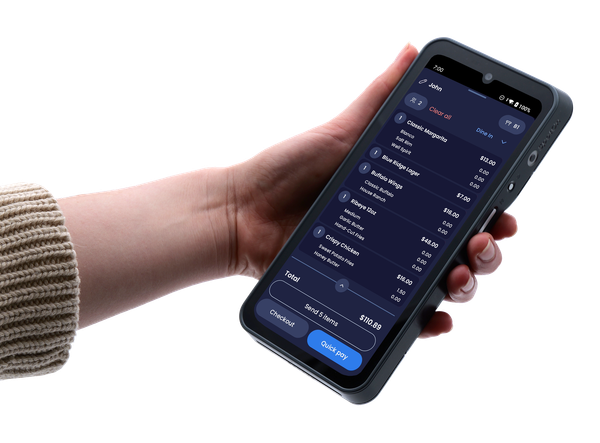
- Give your floor staff a way to keep up with a full room. Servers need to cover more tables and get orders to the kitchen fast when every seat is full and the clock is on kickoff. A handheld POS lets them do it from wherever they're standing.
- Prep your staff for the tempo, not just the ticket count. Game-day service doesn't run like a normal Sunday. Guests arrive all at once, then linger for hours, then need everything at once again at halftime and again when the game ends. Tell your team what to expect before the shift starts so the pace doesn't catch them off guard, and check in with them once the rush hits.
- Check your commercial TV service and viewing setup ahead of kickoff. DirecTV and EverPass Media struck a new multi-year deal that lets you keep NFL Sunday Ticket through your existing DirecTV setup instead of switching providers or upgrading your streaming package. DirecTV will handle sales, marketing, and distribution for EverPass going forward, and you can still get the package by satellite or over the internet, whichever fits your location. Call your provider to confirm what this means for your account before kickoff. While you're at it, test that your audio zones are actually working the way you think: a dining room and bar showing different games need separate, correctly assigned sound, not just separate screens. And know your backup plan before you need it. If your satellite or internet signal drops mid-game, whether that's a second provider, a mobile hotspot, or a backup dish, decide now, not while a room full of guests is staring at a frozen screen.
3. Manage order flow and protect your cash

A flood of online orders only helps your bottom line if your systems can handle it, and a busy season only pays off if the revenue it generates actually sticks.
- Pace your online orders so the kitchen doesn't get buried. Digital orders spike before kickoff and again at halftime, and a kitchen that takes every order the moment it lands will fall behind fast. Pacing is one of the most effective ways to prevent bottlenecks during a halftime rush before they start. Pacing controls let you set the throttle yourself.
- Space out your pickup windows instead of letting every to-go order land at once. If your online ordering lets guests pick a time, spread pickup slots in 15-minute increments around kickoff so your counter isn't handing off five orders in the same sixty seconds. It's a small setting that prevents a real bottleneck.
- Have a plan for third-party delivery, and a plan to convert it. Use inserts or QR codes in third-party orders to bring guests back to your own ordering channels next time. That cuts the commission and gets you the guest data you need to market to them later. An app like GoTo Place gives guests that direct channel.
- Make tip payouts easy on your busiest nights. Game days are often your biggest earning nights of the week, so staff shouldn't have to wait until payday to see it. DayCheck lets them access tips without needing cash on hand.
- Lock in deposits on group orders and watch-party bookings. A large catering order or a reserved section for a watch party is real revenue on your books, until it isn't. A deposit on anything over a certain size protects you if a group cancels last minute, and it means you're not carrying the cost of extra prep and inventory on a booking that falls through.
4. Market the season, not just the games

Football season runs five months. Building your marketing calendar in advance, the same way you build your menu and staffing plan, means game day takes care of itself instead of becoming a weekly scramble.
- Map your calendar in advance. College football's Week 0 starts August 29, with most of the country's Week 1 opening weekend running through Labor Day. The NFL regular season kicks off September 9. Know your local team's rivalry weekends, since conference realignment has shifted some matchups this year. As a rule, start promoting team-specific watch parties at least a week or two out. That gives guests time to plan around you the way they already plan around the game.
- Announce specials, hours, and watch-party details early, so guests can plan around you the way they plan around the game. Send a marketing email and post a matching social campaign to get the word out ahead of kickoff. Premade templates in your SpotOn Dashboard make that quick to put together.
- Build a system for your marketing instead of starting from a blank page every week. Five months is a long stretch to write fresh emails and posts from scratch each Sunday. If you're a single location without a marketing team, that doesn't have to mean a big production: block off 30 minutes on a Monday to schedule the week's post and email around that Sunday's matchup, using the same simple template each time with new photos and a new specific offer. SpotOn Marketing Assist can help automate that email and social workload around your football calendar so that 30 minutes shrinks even further.
- Turn every promotion into a return visit. Once you've captured guest details from a game-day special, hold onto them and use them to bring people back for the next matchup, a slow Tuesday, or a playoff watch party. A customer database is where that list should live.
- Give regulars a reason to keep choosing you over the sports bar down the street. A simple punch card or loyalty program, one drink free after ten, a free appetizer after five visits, costs less than most advertising and keeps your restaurant top of mind for the next 22 weeks of the season, not just the one Sunday a guest happened to walk in. You can also run a loyalty rewards program tied specifically to game attendance, a stamp for every watch party a guest shows up to, with a bigger reward at the end of the season.
- Take a page from the chains, and make it your own. You don't need a licensing deal or a celebrity partnership to have the best football promotions. The game-day specials and combo deals that attract the most fans tend to be the simplest: one clear offer, priced to be worth it, and promoted early enough for guests to plan around it.
5. Plan for the moments that matter most
Not every football Sunday is the same, and this season has a few worth circling.
- The College Football Playoff is in its third year as a 12-team format. The bracket is revealed on Selection Sunday, December 6, first-round games run December 18 and 19, and the bracket plays out through the National Championship on January 25, 2027. That's a longer, higher-stakes postseason than college football used to have, and each of those dates is a watch-party occasion worth planning for.
- Conference realignment matters locally. If your regular crowd's team has changed conferences or lost its usual rivals, check the actual 2026 schedule instead of assuming it repeats last year's.
- The NFL season runs into February, with Super Bowl LXI set for February 14, 2027 at SoFi Stadium. Don't wrap up your football season plan once the regular season ends. The playoffs are often the biggest viewing occasions of the whole stretch.
6. Build ties with the community around the team
Football season isn't only about the game on the screen. It's a community occasion, and the operators who show up for that get more out of it than the ones who only think about the TV.
- Run a giveaway that gets guests talking before kickoff. A simple social contest, guess the final score, tag a friend to win a platter, a raffle for a jersey signed by a local coach, costs little to run and gives guests a reason to check your page every week during the season. Just make sure you're following the platform's and your state's rules on contests before you launch one.
- Partner with local groups who already have a built-in crowd. Alumni chapters, youth leagues, and local sports bars fill up on game day whether or not you're part of it. A standing discount for a local alumni chapter watch party, or a cross-promotion with a youth football league's concession stand, brings people through your door who might not have thought of you otherwise.
- Let your regional identity be the differentiator. As covered above, leaning into food that's specific to your area and your team's fan base gives people a reason to choose you over a sports bar chain nearby running the same national game-day menu everywhere. Butcher Paper BBQ's Auburn-specific tailgate specials work precisely because they couldn't come from anywhere else.
- Show up for away games too, not just home games. If the local team is playing on the road, guests still want somewhere to watch. A dedicated watch-party promotion on away days keeps your restaurant part of the routine even when there's no home-game energy to ride on.
"People don't just watch football, they celebrate it. Restaurants that make hosting easier become part of the tradition." - Rickey Booker, Founder of The Breakfast Brothers
7. Keep the momentum going after the whistle blows
Treat each football week as a building block, not a one-off. What you learn in September should make November easier, and what you learn this season should make next season easier still.
- Use guest data from every promotion, every week. Once you've captured guest details, keep reaching out for the next matchup, a slow-day offer, or the postseason.
- Track what's working as the season goes. Keep an eye on which menu items moved, which nights were understaffed, and which promotions actually brought guests back, so you're adjusting in real time instead of guessing after the fact. SpotOn Reporting pulls that view together for you.
At the end of the season, use that data to plan the next one: what to keep on the menu, where staffing needs to shift, which promotions are worth repeating. That's what makes the next football season easier to plan for than this one was.